

Muʿallim Ṣadiq ʿAttallah المعلم صادق عطا الله مقار · teacher of the hymns at the Clerical College, 1918-2001
After Mikhail al-Batanuni reposed, it was Ṣadiq ʿAttallah whose voice the Institute recorded. Trained by Mikhail and appointed a teacher at the Clerical College the year he graduated, he recorded the liturgies of St. Basil and St. Gregory for the Institute of Coptic Studies, and his Liturgy of St. Basil was the one the Institute issued in 1968.12 Carolyn Ramzy calls him “the most widely celebrated muʿallim.”3
From Maṭay to the Clerical College
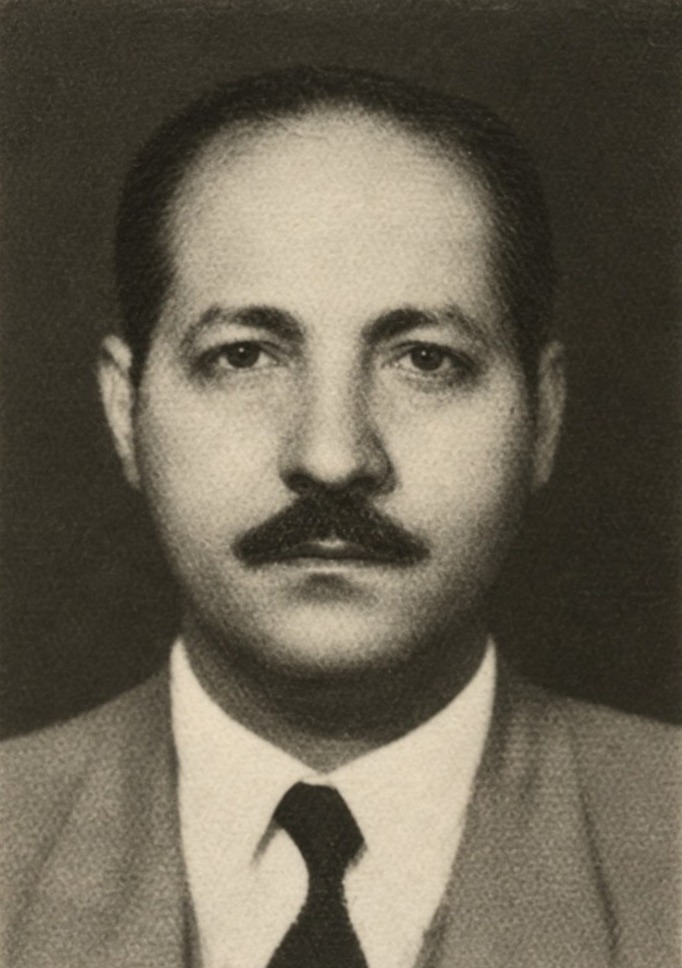
He was born in Upper Egypt in 1918. Ṣadiq ʿAttallah Maqar was born on 8 February 1918 at Maṭay, in Minya. His father had reposed, and his mother brought him up to love the Church and to learn its hymns. He was a quiet child with a strong, clear voice, and as a young deacon his gift was talked about by everyone. He went to school in Maṭay and then to the Great Coptic School in Cairo.4
A relative took him to Cairo. The archdeacon ʿAyyad ʿAyyad, a well-known preacher at the church of St. George in Maṭay and a relative of his mother, asked her leave to take the boy with him to Cairo. He lodged him at his home in Zeitoun, enrolled him in the boarding section of the Clerical College at Mahmasha and presented him to Habib Girgis, the college’s director. There Ṣadiq learned the hymns from Mikhail al-Batanuni, and everyone praised how quickly he learned them. He graduated in 1936.5
Teacher at the college
He became a teacher the year he graduated. Habib Girgis had him appointed at once to teach the hymns and the psalmody at the college, young as he was, and turned down the churches, his own St. George’s at Maṭay among them, that asked for him. As a man of the Church he was exempted from military service on 26 March 1939. He taught at the college until he was sixty-one, and one year more after he retired. He also taught at the Institute of Coptic Studies, the Didymus Institute for cantors in Cairo, the churches of St. Mark in Heliopolis, St. George in al-Zahir and the Virgin and St. Athanasius in Nasr City, and the Karma society.6 He went over the hymns with Malaka ʿIryan, founder of the Pharaonic Institute of Coptic Music, and learned to play them on the piano from the cantor Latif of St. Mark’s in Heliopolis.7
He studied with Mikhail again under Moftah. Ragheb Moftah names him among the cantors who came to Alexandria to have their hymns confirmed by Mikhail before the Institute was founded.8 He later taught Moftah’s choir, with Tawfiq Yusuf, Farag ʿAbd al-Masih and others.910
The recordings
Moftah turned to him when Mikhail reposed. After Mikhail’s repose in 1957, his biographer writes, Moftah chose Ṣadiq to record the Coptic hymns and liturgies, “as one of the few who kept the Coptic heritage of melody sound, free of any additions,” and gave him the liturgies of St. Basil and St. Gregory and many other hymns. He recorded them with the Institute’s choir and Fr. Murqus Girgis, priest of Maṭay, and the Institute still keeps the recordings.11 It was his Liturgy of St. Basil that the Institute issued in 1968.12
He did not sing like his teacher. Mikhail’s own recordings are plain. Ramzy, who studied the recordings, writes that “the most widely celebrated muʿallim Sadik Attalah, sang in a richly ornamented and improvisatory style.”13
His life
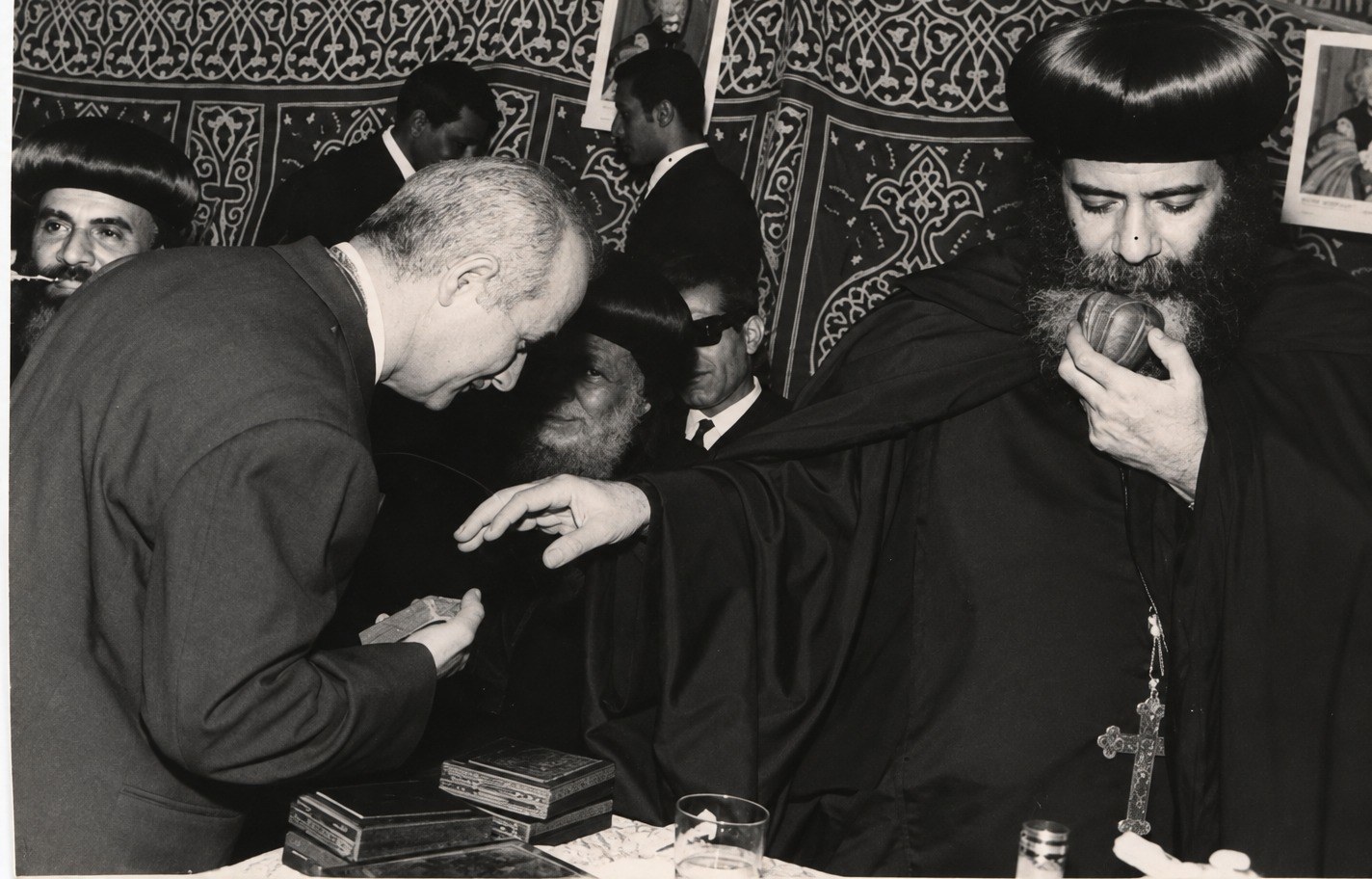
He lived simply and loved everyone. His biographer remembers his great kindness: he loved everyone without distinction of religion, creed or class, and lived a quiet, simple life, happy with his children and grandchildren. He was a close friend of Pope Cyril VI, of Fr ʿAbd al-Masih al-Manahri and of Fr. Butrus Gayyid, priest of the Church of the Virgin in Zeitoun, who was born the same year as he. He lived through five patriarchs, from John XIX to Shenouda III. On 20 June 1989 he traveled to Germany with the choir of the Clerical College; they stayed at the Monastery of St. Antony at Kröffelbach and sang for the Egyptians there and for Germans. At the centenary of the Clerical College in 1993 Pope Shenouda III gave him a certificate of honor.14
He reposed in 2001. He reposed on the morning of 18 August 2001.15 Laurence Moftah lists him among the second generation of cantors: “Sadiq Attallah (b. 1918-d. 2001).”16 On this site you can hear his recordings.
Photographs
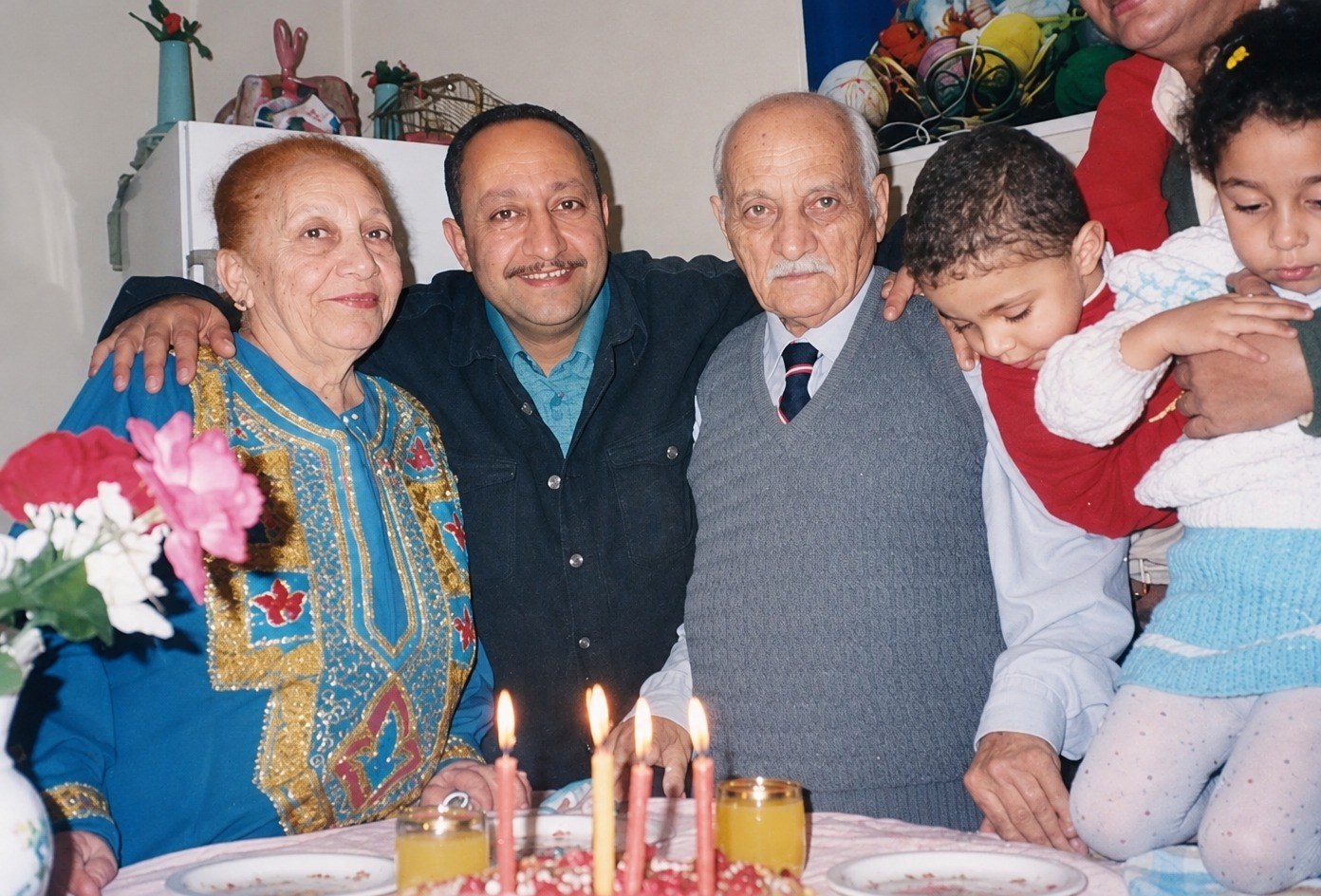
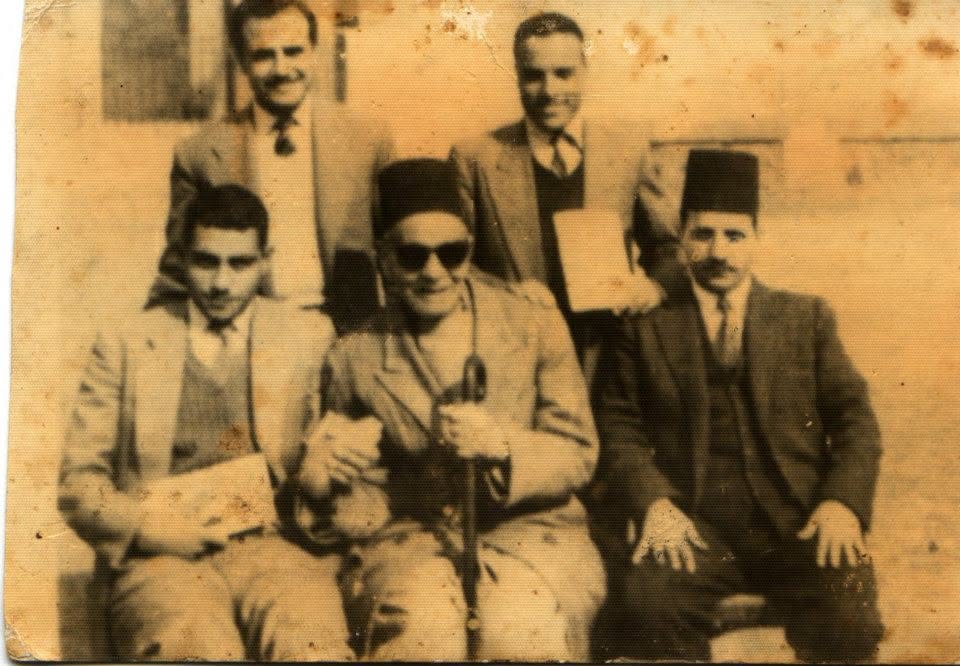
Notes
- Badie, al-Kirāza, 21 Mar. 2008, p. 14. ↩
- Moftah, Robertson, Roy and Tóth, “Music, Coptic”, vol. 6, Bibliography: Recordings. ↩
- Ramzy 2015, p. 78. ↩
- Badie, al-Kirāza, 21 Mar. 2008, p. 14. ↩
- Badie, al-Kirāza, 21 Mar. 2008, p. 14. ↩
- Badie, al-Kirāza, 21 Mar. 2008, p. 14. ↩
- Badie, al-Kirāza, 21 Mar. 2008, p. 14. ↩
- Moftah, al-Kirāza 1975, no. 2, p. 5. ↩
- Shenouda III, al-Kirāza 2001, p. 10. ↩
- al-Kirāza 2005, “Intiqāl kabīr murattilī al-kanīsa”, p. 18. ↩
- Badie, al-Kirāza, 21 Mar. 2008, p. 14, tr. ours. ↩
- Moftah, Robertson, Roy and Tóth, “Music, Coptic”, vol. 6, Bibliography: Recordings. ↩
- Ramzy 2015, p. 78. ↩
- Badie, al-Kirāza, 21 Mar. 2008, p. 14. ↩
- Badie, al-Kirāza, 21 Mar. 2008, p. 14. ↩
- L. Moftah, “Scholars of Music”, para. 34. ↩
Sources
- Mina Badie ʿAbd al-Malak, “Min aʿlām murattilī al-kanīsa fī al-qarn al-ʿishrīn alladhīna akmalū al-saʿy: al-Murattil Ṣādiq ʿAṭā Allāh Maqār,” al-Kirāza 36, nos. 9-10, Cairo, 21 March 2008, p. 14.
مينا بديع عبد الملك، «من أعلام مرتلي الكنيسة في القرن العشرين الذين أكملوا السعي: المرتل صادق عطا الله مقار»، الكرازة، السنة ٣٦، العددان ٩-١٠، ٢١ مارس ٢٠٠٨ - Ragheb Moftah, “Qiṣṣat tasjīl al-alḥān al-qibṭiyya wa-tārīkh al-muʿallim Mīkhāʾīl,” al-Kirāza 6, Cairo, no. 2, 10 January 1975, pp. 4-5; no. 3, 17 January 1975, pp. 8-9; no. 4, 24 January 1975, p. 5.
راغب مفتاح، «قصة تسجيل الألحان القبطية وتاريخ المعلم ميخائيل»، الكرازة، السنة السادسة، الأعداد ٢ و٣ و٤، يناير ١٩٧٥ - Pope Shenouda III, address at the funeral of Ragheb Moftah, al-Kirāza 29, nos. 21-22, Cairo, 29 June 2001, pp. 9-10.
البابا شنوده الثالث، «كلمة قداسة البابا في جناز الأستاذ راغب مفتاح»، الكرازة، السنة ٢٩، العددان ٢١-٢٢، ٢٩ يونيو ٢٠٠١ - “Intiqāl kabīr murattilī al-kanīsa al-muʿallim Tawfīq Yūsuf al-Muḥarraqī,” al-Kirāza 33, nos. 5-6, Cairo, 11 February 2005, pp. 18-19.
«انتقال كبير مرتلي الكنيسة المعلم توفيق يوسف المحرقي»، الكرازة، السنة ٣٣، العددان ٥-٦، ١١ فبراير ٢٠٠٥ - Ragheb Moftah, Marian Robertson, Martha Roy and Margit Tóth, “Music, Coptic,” in The Coptic Encyclopedia, ed. Aziz S. Atiya, New York, 1991, vol. 6, pp. 1715-1747, cited by its sections.
- Carolyn M. Ramzy, “Modern Singing Sons of the Pharaohs: Transcriptions and Orientalism in a Digital Coptic Music Collection,” Ethnologies 37, no. 1, 2015, pp. 65-88.
- Laurence Moftah, “Ragheb Moftah, Scholars of Music, Sound Engineer, Audio Recording Collection, and the Recording Equipment,” Library of Congress, 2006, cited by paragraph.