

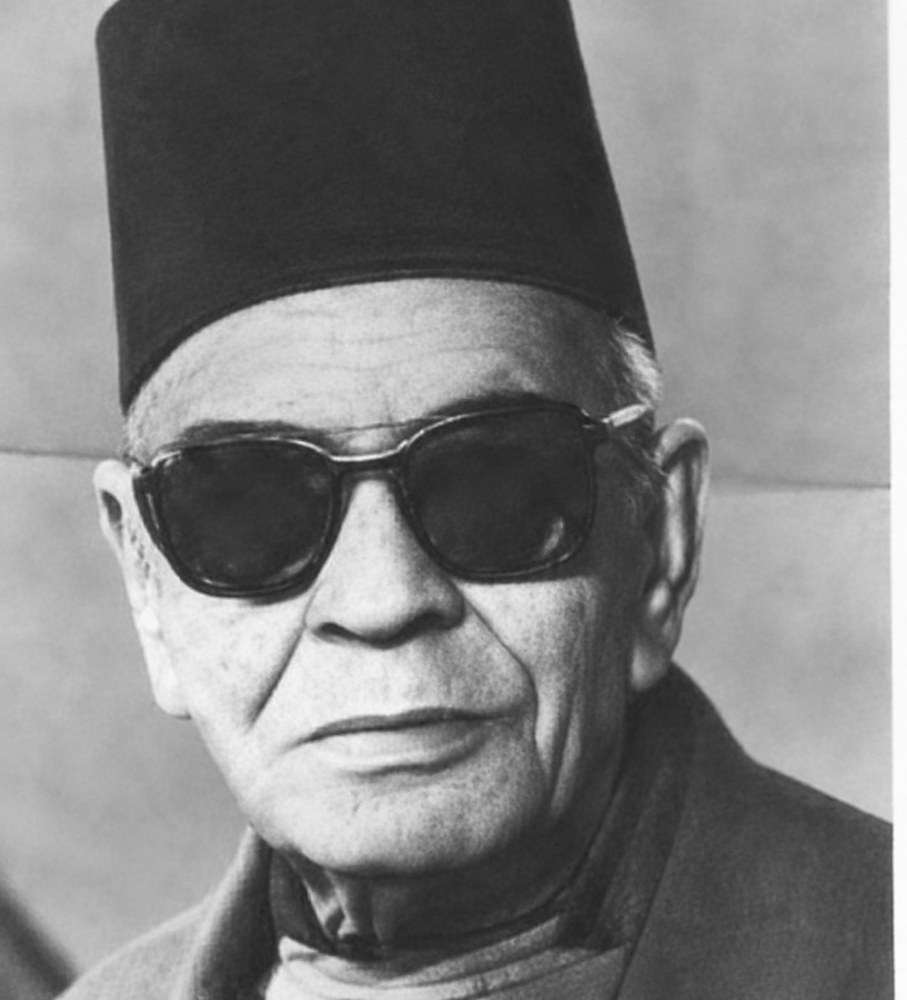
Muʿallim Mikhail al-Batanuni المعلم ميخائيل جرجس البتانوني · chief cantor of St. Mark’s Cathedral, 1873-1957
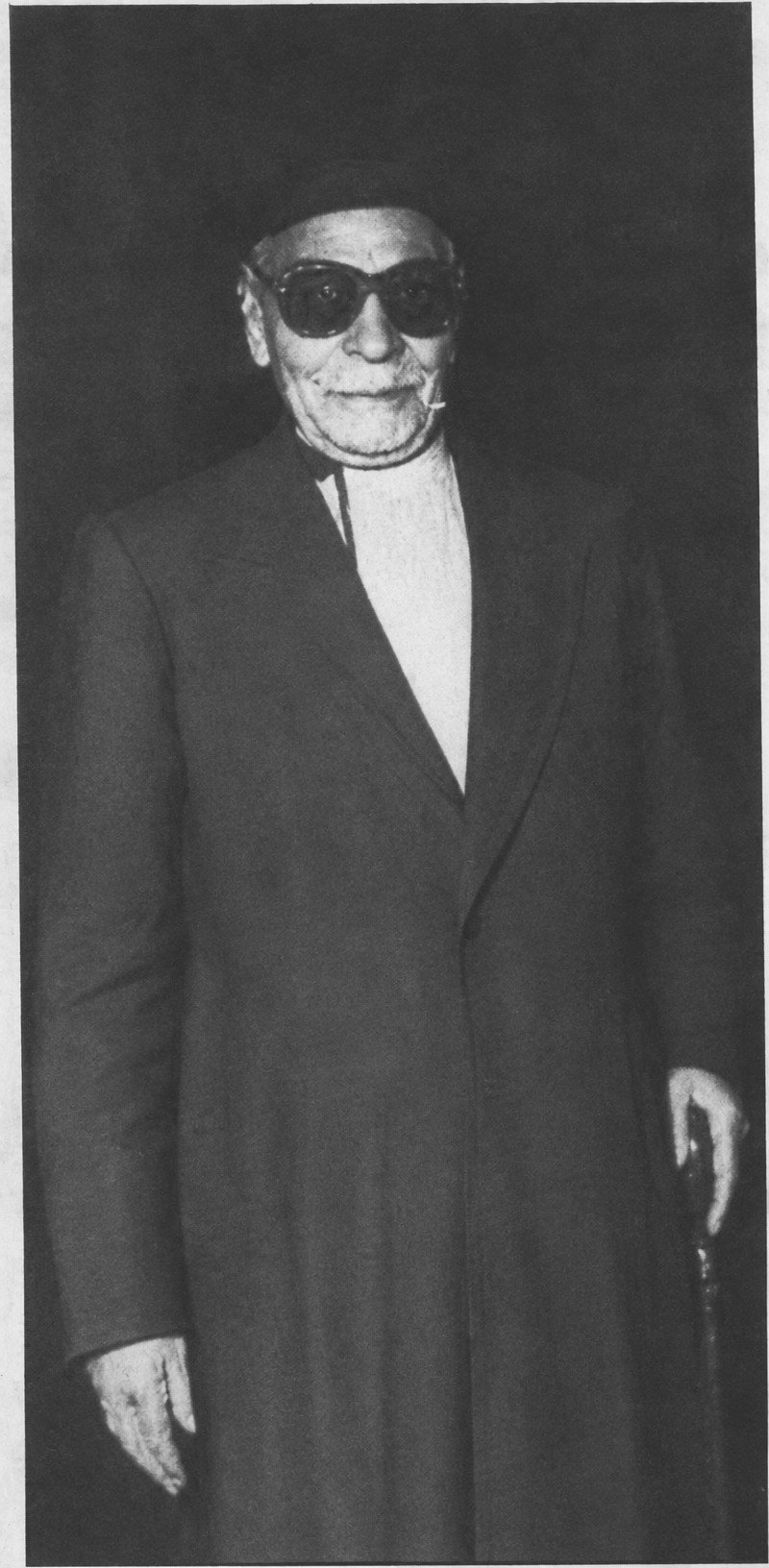
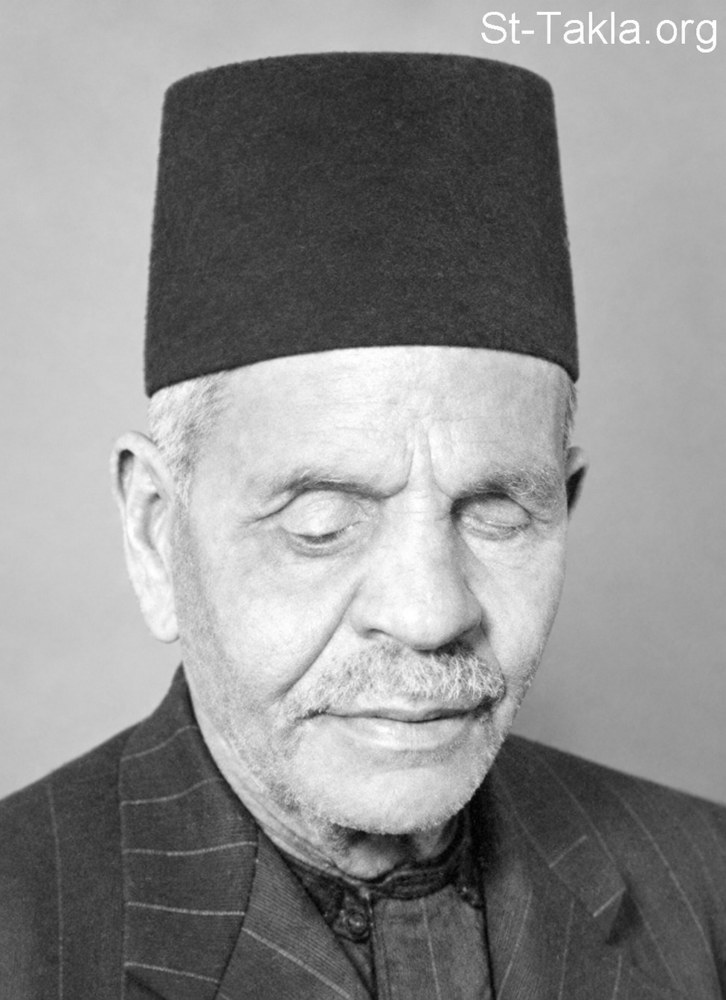
The cantor through whom most of the tradition reached the recordings was a blind boy from Cairo. Mikhail Girgis al-Batanuni sang the hymns for the first notation of the Coptic chant, taught at the Clerical College for more than sixty years, and trained most of the cantors who handed the hymns on in the twentieth century. Ragheb Moftah, who worked beside him for forty years, called him “الينبوع,” the spring from which the old tradition flowed out over the whole Church, and wrote in his elegy, “ستظل المعلم الأول” (you will remain the first teacher).1
Birth and schooling
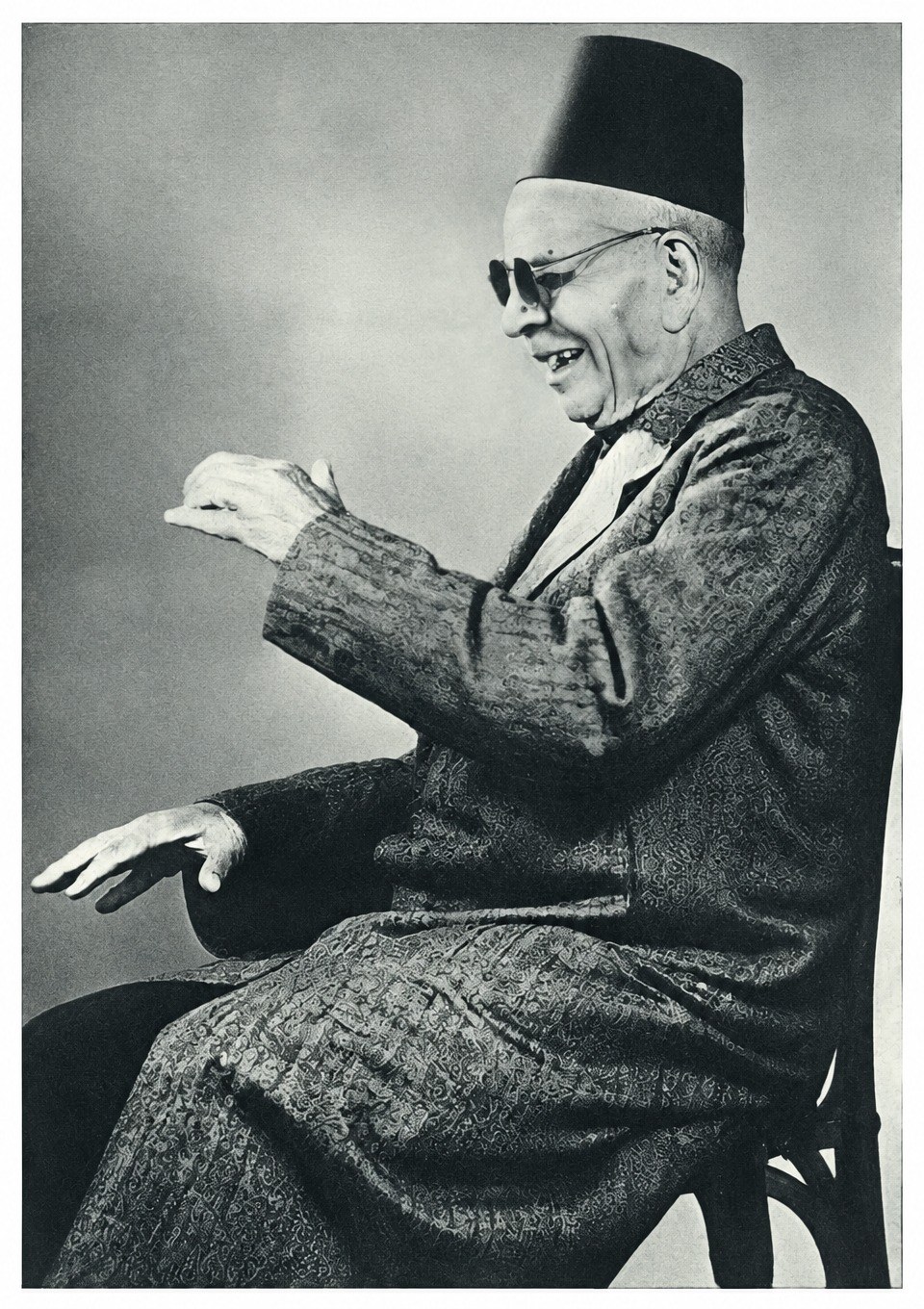
He was born in Cairo in 1873, to a family from the Delta. Mikhail Girgis al-Batanuni was born on 14 September 1873, to a family from Batanun in Menoufia.23 His father was a government clerk, close to Cyril V from the days when the future patriarch was a monk;4 Moftah describes him as a capable man who loved the hymns and sang them well, and who had received some of them from the learned monk Butrus Muftah al-Antuni, who reposed in 1875.5 He lost his sight at the age of five.6
He learned in the kuttab, the Great School and al-Azhar. He learned the Psalms and hymns, Coptic and Arabic, in the kuttab of Abu al-Saʿd in the Azbakiyya quarter from 1879 to 1881,7 went on to the Great School that Cyril IV had founded, and from 1885 to 1891 attended al-Azhar to study Arabic.8 He was made a deacon in 1886 and in 1891 cantor of the patriarchal cathedral, at twenty-five piastres a month.9
His teachers
He learned the hymns from two of Takla’s seven pupils. Moftah names them as Muʿallim Murqus and Muʿallim Armanyus, pupils of Takla, and says Mikhail’s father spared no money on his training.10 Sulayman Nasim names Armanyus and Ṣalib, “the tunes in which only two chanters specialized before him”;1112 the 2007 biography in al-Kirāza also names Armanyus and Ṣalib, “a great scholar versed in all the church rites.”13 As a youth he “was sent to visit churches in many towns of Egypt to learn and collect hymns.”14
The patriarch himself saw to his training. Moftah tells how Cyril V, who sang the hymns well, noticed the boy’s gifts and supervised his teaching. When a teacher held back a hymn from him, the patriarch hid Mikhail under the plain couch he used to sit on and asked the teacher to sing the hymn for him, and to repeat it if need be; Mikhail took it in perfectly. Moftah still remembered where the couch stood, in the north-west corner of the great hall of the old patriarchate.15 Mikhail kept collecting all his life: he brought from Minya a beautiful hymn, آبيناف شوبى, that Cairo did not have, and he went on checking and comparing his hymns with the senior cantors wherever he found them.16
Cantor and teacher
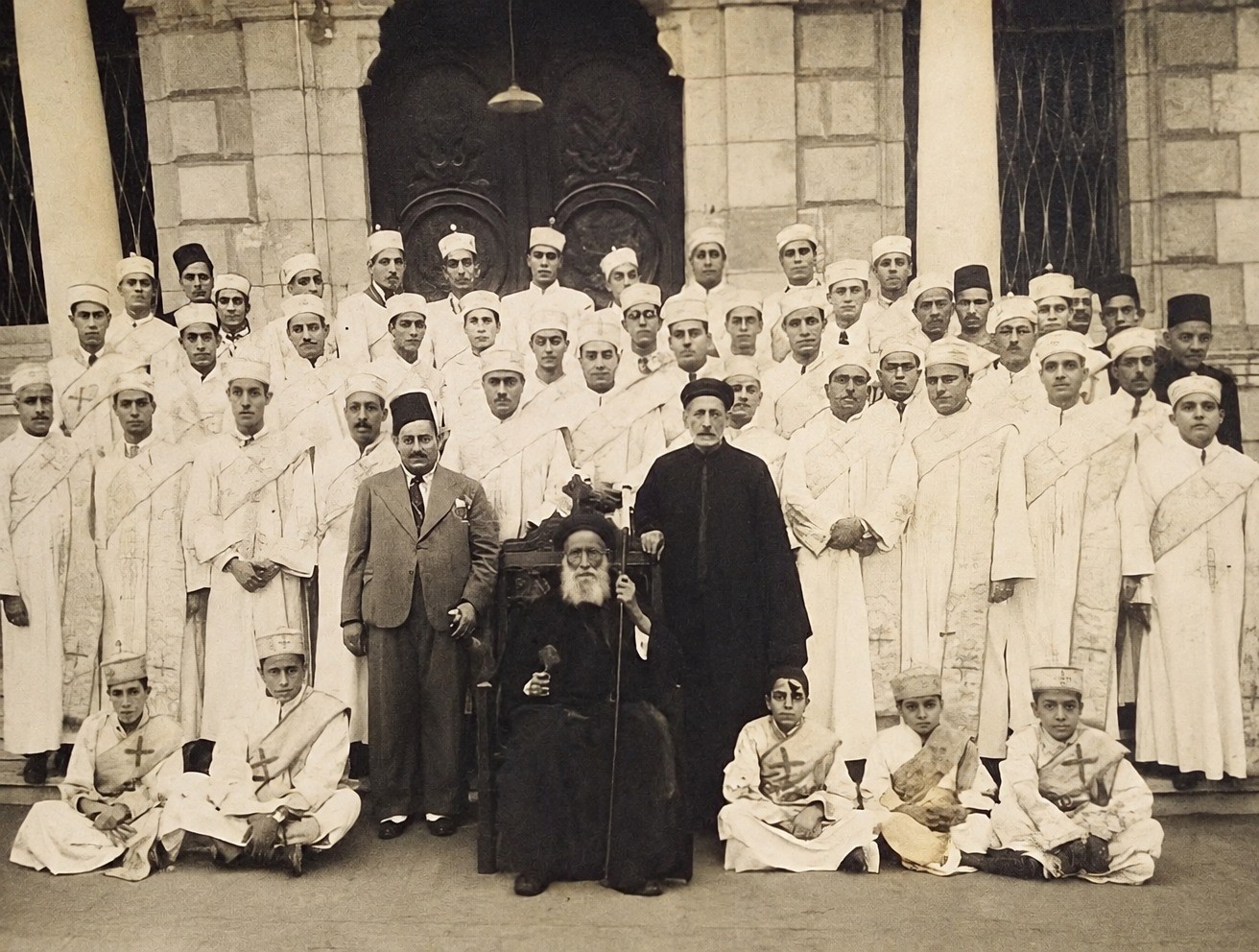
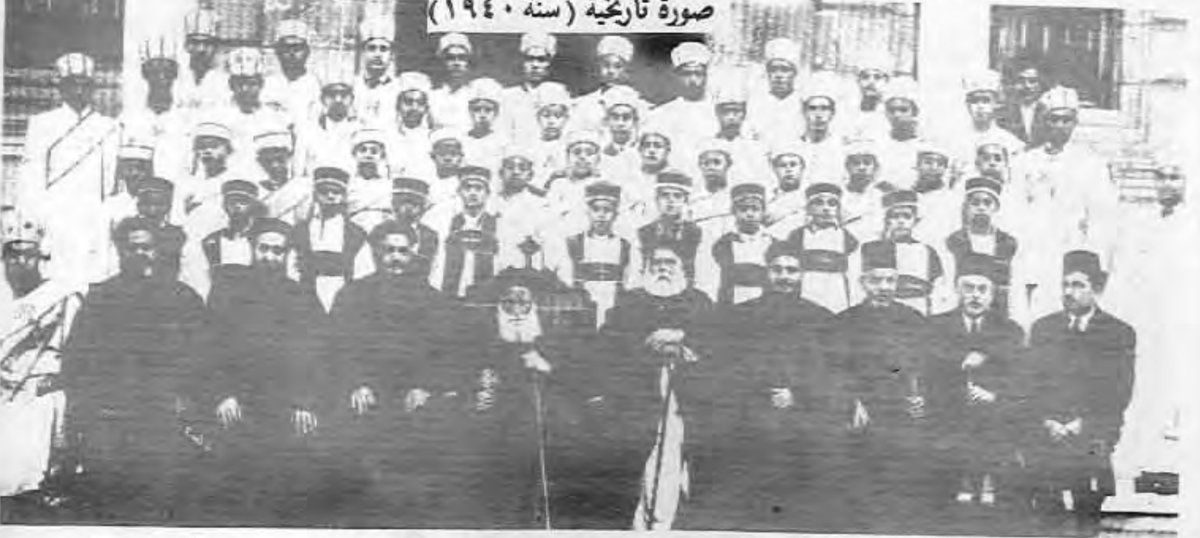
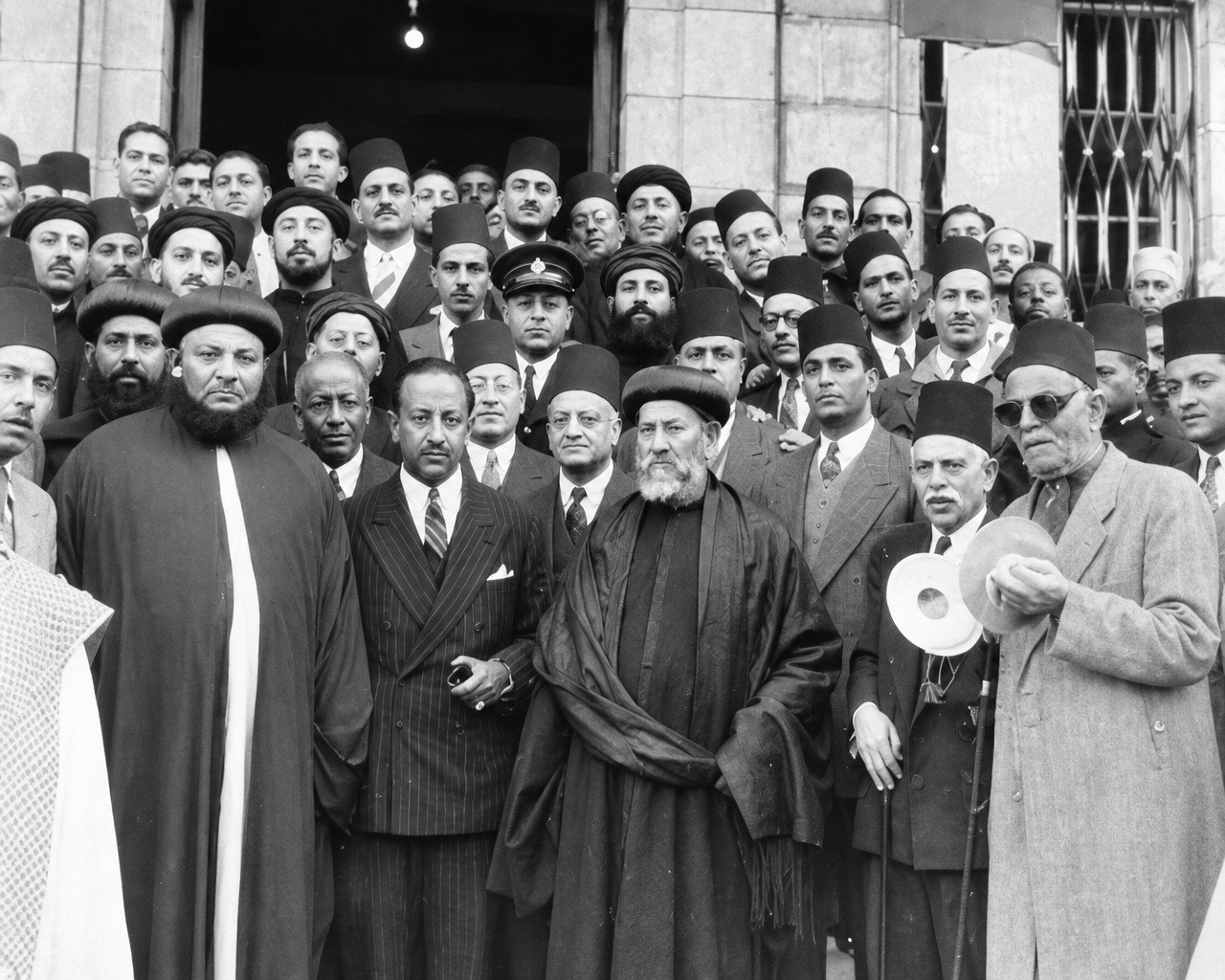
He taught for more than sixty years. On 2 November 1893 he was appointed teacher of the hymns at the Clerical College,17 and about 1895 he also taught at a new school for the blind at Zeitoun, where he adapted Braille to the Coptic alphabet.18 The Theological Seminary opened by Cyril V in 1893 had a branch, the St. Didymus Institute, where blind cantors came to train.19 With the archpriest Philotheos Ibrahim he translated the Coptic service into Arabic.20 In 1903 the Khedive ʿAbbas II greeted him as “Mikhail Bey,” and the title stayed with him.21 For the rest of his life, Moftah writes, he was the master of the Church’s hymns “in the whole Nile valley,” and no one else held all that he held.22
His voice and his ear were his tools. Moftah describes his voice as gifted and resonant, a baritone, which “suits church music more than any other”; his rhythm was exact and his notes clear, without a false tone. In old age the voice grew hoarse, but those who wanted to learn a hymn still preferred to learn it from him. In his last years he would sometimes fall fast asleep while a pupil sang to him, and wake at once if the pupil slipped in a single turn of the melody: “he really slept,” Moftah writes, “but his musical awareness did not sleep,” and all of them saw it many times.23
He forgot nothing. In forty years, Moftah writes, he never saw Mikhail forget a hymn; a handful of times he went back over a few turns of a melody to get them exactly right. He could start any hymn from any point. He knew some hymns in two forms, among them the festal Agios and the great Tishouri, and both were recorded. Moftah recorded from him every hymn, including the great تى أوى أن هيكانوس, which takes fifty minutes to sing; in 1975, he wrote, only two cantors still knew it, Muʿallim Naṣif ʿAbd al-Masih and Muʿallim Tawfiq Yusuf of Dayr al-Muharraq.24
He also told Moftah what had been lost. Mikhail said that the music of the Liturgy of St. Cyril had long since vanished, apart from a way of chanting the response for the departed and a response sung to the mournful tune of Job. He later composed a setting for parts of that liturgy, which the late Fr. Athanasius Butrus learned from him. Moftah chose not to record it, nor a setting that Pope Macarius III had used, so that neither would come to be taken for the original.25
The notation and the recordings
He was chosen only after the other cantors failed. Work began in the winter of 1928, when Moftah brought the English musician Ernest Newlandsmith to Egypt to write the hymns down. Rumors were spread that Mikhail changed the hymns, so Moftah at first did not call him; he surveyed the cantors of the whole country instead, and brought many of them to Cairo. After hearing them for a while, Newlandsmith asked to be released from his contract: “the voices of these cantors are not clear, and there is much that is out of tune.” Then Moftah brought Mikhail.26
The decisive session was on the Nile. They were on a houseboat at Qasr al-Dubara, Moftah remembered, with the river running quietly beneath them: “a great artist stood before a great artist.” Asked for a melody that felt truly old, Mikhail sang a hymn of the service of Joyous Saturday to the tune of the Hymn of the Virtues, and other hymns. Newlandsmith said at once, “I have understood clearly what he says. Now I can do this work exactly.”27
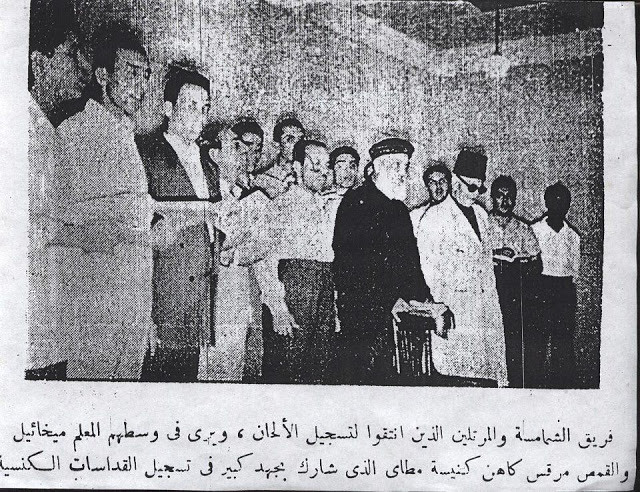
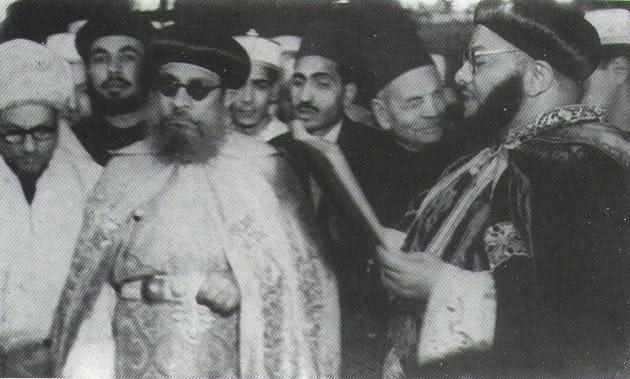
The work went on for nine years. It ran daily, except in summer, in a quiet corner that was “like a beehive.” Mikhail put it before all his other duties: in the winter of 1930, when the houseboat needed repair, they moved to the Moftah family estate and worked for three months in seclusion, Mikhail leaving his home and his work at the church, the college and the societies; he pressed so hard that Newlandsmith protested that an artist must be left to work without pressure. At the end of each season, as Newlandsmith packed to leave, Mikhail begged him “with the innocence and eagerness of children” to write down one more hymn.28 When Pope John XIX visited and praised Mikhail, Newlandsmith told him that praise was not enough: Mikhail should have a proper pension, be spared all but this work, and be given a carriage. The work ran until 1936 and filled fifteen volumes with all the hymns and the liturgies of St. Basil and St. Gregory.29 He sang for Newlandsmith’s transcriptions, led the first Coptic recordings at the Congress of Arab Music in 1932, and became the first professor of liturgical chant at the Institute of Coptic Studies in 1954, at eighty-one.3031
The oldest recordings of Coptic chant are his. At the Congress of Arab Music in Cairo in 1932 he led the choir of the Theological Seminary in the first recordings of Coptic chant, issued on disc by His Master’s Voice;3233 between 1935 and 1957 Moftah recorded a much larger collection, also sung mostly by Mikhail.34
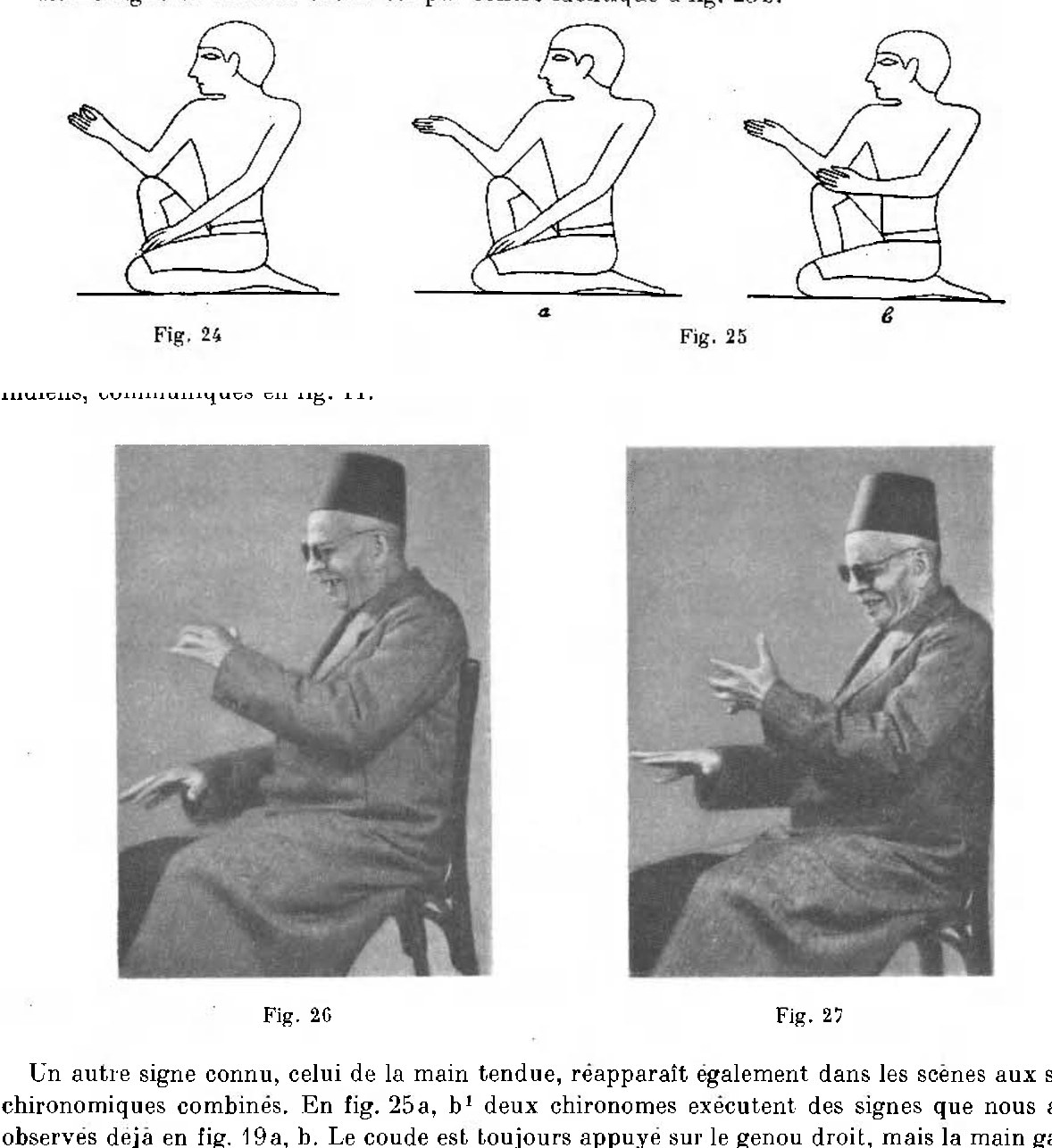
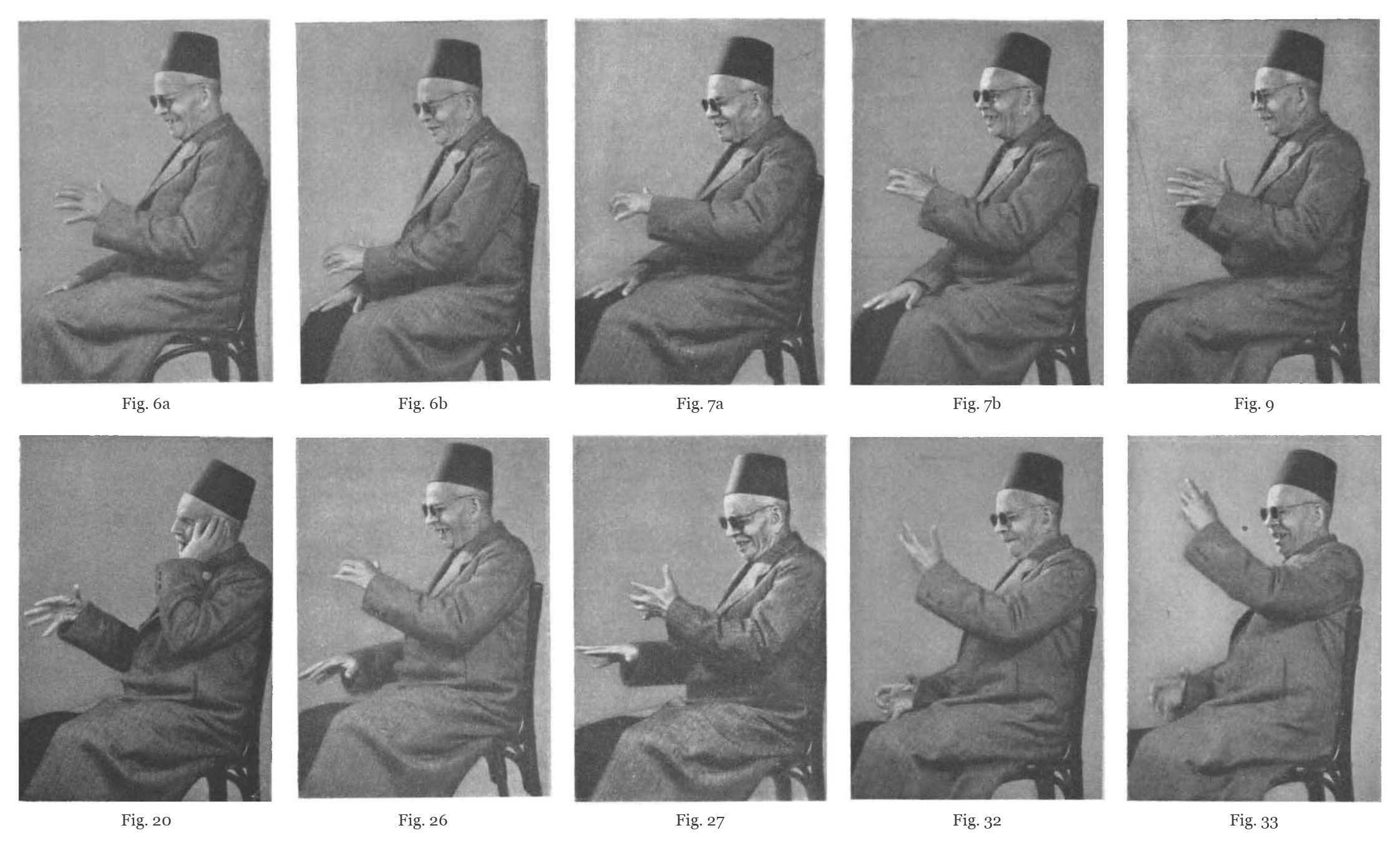
The German scholar Hans Hickmann studied his hands. Mikhail moved his hands as he chanted. Moftah took him to Hickmann several times, and from the pictures on the Egyptian monuments Hickmann concluded that these were the same movements that the singers and musicians of Pharaonic Egypt made to keep time.35 In 1958 Hickmann published his study of chironomy, the leading of singers by signs of the hand, in ancient Egypt, and illustrated it with photographs of Mikhail making the signs, set beside his drawings of the chironomists in the tomb paintings.36
His recordings were saved by the Library of Congress. Moftah kept early recordings of Mikhail on paper tape that was no longer made and had outlived its life. The Library of Congress, which had old machines that could play it, transferred and restored the tapes at its own cost, about ten thousand dollars, and Moftah gave the Library in return everything he had produced.37 Pope Shenouda III later said that Moftah’s search for the right voice had ended with Mikhail, and that when Mikhail grew old and his throat no longer served him, Moftah looked for singers with good voices to learn the hymns from him and record them.38
His pupils
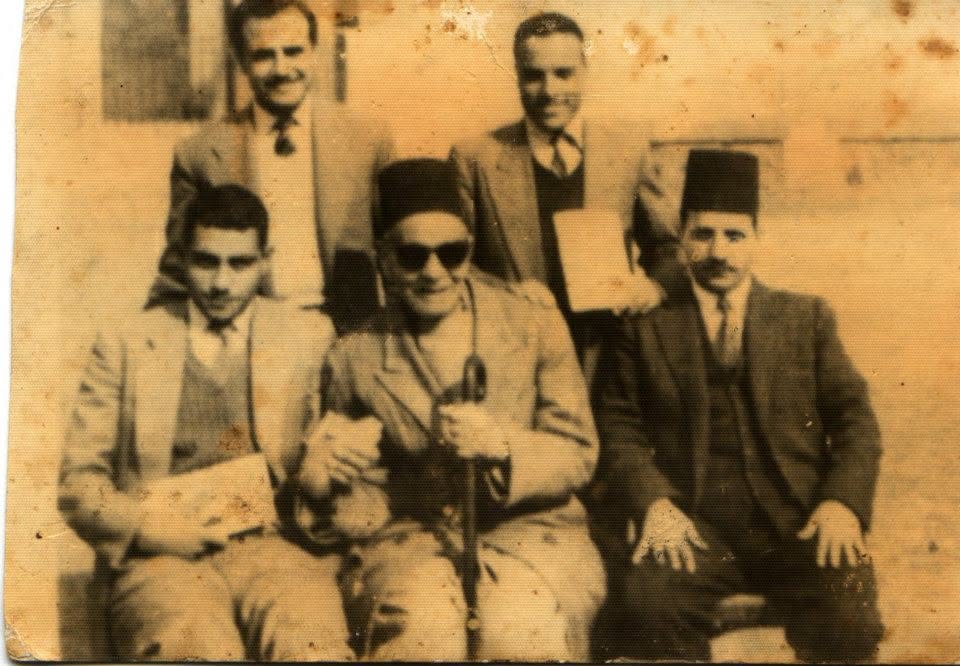
He gave the hymns to the senior cantors of his day. Moftah set up two places, one in Old Cairo and one near Bab al-Hadid, where senior cantors came to have their hymns checked and to learn new ones; Mikhail “truly gave there the essence of his heart,” and each cantor who came was paid twenty piastres for his fare. In Alexandria, before the Institute was founded, four senior cantors, Farid Ibrahim, Mikhail Ṣalib, Bishay and Bulus Iskandar of Mansura, asked to “confirm what they had learned from Muʿallim Mikhail” before Moftah recorded the Liturgy of St. Gregory from them; it took two months of study in seclusion. Among others who came were Tawfiq Yusuf, Ṣadiq ʿAttallah and Dr. Yusuf Manṣur. Moftah also sent Mikhail twice to Dayr al-Muharraq.39 The Coptic Encyclopedia names among the cantors and deacons he taught Tawfiq Yusuf, Ṣadiq ʿAttallah and Dr. Yusuf Manṣur, “and many others in the churches of Cairo and the provinces”;40 Ramzy adds Fahim Girgis and Farag ʿAbd al-Masih.41 Several of them have pages here: Tawfiq Yusuf, Fahim Girgis Rizk, Ṣadiq ʿAttallah and Habib Hanna al-Mirahim.
His last days
He worked to the last day. Moftah writes that he finished his work at ten in the evening on 18 April 1957 and reposed at midnight.42 He knew Coptic and the seasonal rites, and Arabic grammar well; he lived in Faggala, on a street overlooking the quiet Jesuit garden. In his last three months he came to Moftah every morning and said, “I am going.” Moftah would tease him, “No, wait, we need you,” and Mikhail answered, “I love you; the credit for keeping the Church’s art alive is yours,” to which Moftah replied, “No, all the credit is yours.”43
He served the hymns for sixty-four years. “قضى في خدمة الألحان ٦٤ عاما” (he spent sixty-four years in the service of the hymns), Sulayman Nasim wrote a year after his repose.44 In 2007 Pope Shenouda III marked the fiftieth anniversary of his repose.45
Photographs
Notes
- Moftah, al-Kirāza 1975, no. 2, p. 4; no. 4, p. 5, tr. ours. ↩
- Nasim 1958, p. 70. ↩
- al-Kirāza 2007, “al-Muʿallim Mīkhāʾīl”, p. 18. ↩
- al-Kirāza 2007, “al-Muʿallim Mīkhāʾīl”, p. 18. ↩
- Moftah, al-Kirāza 1975, no. 2, p. 4. ↩
- al-Kirāza 2007, “al-Muʿallim Mīkhāʾīl”, p. 18. ↩
- Nasim, “Mikhāʾīl Jirjis”, vol. 5, pp. 1629-1630. ↩
- Nasim 1958, p. 70. ↩
- Nasim 1958, p. 71. ↩
- Moftah, al-Kirāza 1975, no. 2, pp. 4-5. ↩
- Nasim, “Mikhāʾīl Jirjis”, vol. 5, pp. 1629-1630. ↩
- Nasim 1958, p. 71. ↩
- al-Kirāza 2007, “al-Muʿallim Mīkhāʾīl”, p. 18, tr. ours. ↩
- Moftah, Robertson, Roy and Tóth, “Music, Coptic”, vol. 6, “Cantors, Their Role and Musical Training”. ↩
- Moftah, al-Kirāza 1975, no. 2, p. 5. ↩
- Moftah, al-Kirāza 1975, no. 2, p. 5. ↩
- Nasim 1958, p. 70. ↩
- Nasim, “Mikhāʾīl Jirjis”, vol. 5, pp. 1629-1630. ↩
- Moftah, Robertson, Roy and Tóth, “Music, Coptic”, vol. 6, “Cantors, Their Role and Musical Training”. ↩
- Nasim, “Mikhāʾīl Jirjis”, vol. 5, pp. 1629-1630. ↩
- Nasim 1958, p. 71. ↩
- Moftah, al-Kirāza 1975, no. 2, p. 5, tr. ours. ↩
- Moftah, al-Kirāza 1975, no. 2, p. 5, tr. ours. ↩
- Moftah, al-Kirāza 1975, no. 3, p. 8. ↩
- Moftah, al-Kirāza 1975, no. 3, p. 8. ↩
- Moftah, al-Kirāza 1975, no. 3, p. 9, tr. ours. ↩
- Moftah, al-Kirāza 1975, no. 3, p. 9, tr. ours. ↩
- Moftah, al-Kirāza 1975, no. 3, p. 9. ↩
- Moftah, al-Kirāza 1975, no. 4, p. 5. ↩
- Musique arabe 1992, “Les hommes”, pp. 361-386, paras. 83, 85. ↩
- Ramzy, “A Musical Inheritance”, paras. 6-7. ↩
- Musique arabe 1992, “Les hommes”, pp. 361-386, para. 85. ↩
- Roy 1992, pp. 37-39, paras. 4-5. ↩
- Kuhn, “Coptic Melodies”, “Introduction”. ↩
- Moftah, al-Kirāza 1975, no. 4, p. 5. ↩
- Hickmann 1958, figs. 6-7, 9, 20, 26-27, 32-33. ↩
- Moftah, al-Kirāza 1993, p. 18. ↩
- Shenouda III, al-Kirāza 2001, pp. 9-10. ↩
- Moftah, al-Kirāza 1975, no. 2, p. 5, tr. ours. ↩
- Moftah, Robertson, Roy and Tóth, “Music, Coptic”, vol. 6, “Cantors, Their Role and Musical Training”. ↩
- Ramzy, “A Musical Inheritance”, para. 5. ↩
- Moftah, al-Kirāza 1975, no. 4, p. 5. ↩
- Moftah, al-Kirāza 1975, no. 4, p. 5, tr. ours. ↩
- Nasim 1958, p. 70, tr. ours. ↩
- al-Kirāza 2007, “al-Muʿallim Mīkhāʾīl”, p. 18. ↩
Sources
- Ragheb Moftah, Marian Robertson, Martha Roy and Margit Tóth, “Music, Coptic,” in The Coptic Encyclopedia, ed. Aziz S. Atiya, New York, 1991, vol. 6, pp. 1715-1747, cited by its sections.
- Sulayman Nasim, “Mikhaʾil Jirjis, Muʿallim,” in The Coptic Encyclopedia, vol. 5, pp. 1629-1630.
- Carolyn M. Ramzy, “A Musical Inheritance: Coptic Cantors and an Orally Transmitted Tradition,” Library of Congress, cited by paragraph.
- Sulayman Nasim, “al-Muʿallim Mīkhāʾīl,” Majallat Madāris al-Aḥad 12, nos. 4-5, Cairo, April-May 1958, pp. 69-73.
سليمان نسيم، «المعلم ميخائيل»، مجلة مدارس الأحد، السنة ١٢، العددان ٤-٥، أبريل-مايو ١٩٥٨ - Philippe Vigreux, ed., “Les hommes,” in Musique arabe : le Congrès du Caire de 1932, Cairo, CEDEJ, 1992, pp. 361-386, cited by the online edition’s paragraphs.
- Ragheb Moftah, “Qiṣṣat tasjīl al-alḥān al-qibṭiyya wa-tārīkh al-muʿallim Mīkhāʾīl,” al-Kirāza 6, Cairo, no. 2, 10 January 1975, pp. 4-5; no. 3, 17 January 1975, pp. 8-9; no. 4, 24 January 1975, p. 5.
راغب مفتاح، «قصة تسجيل الألحان القبطية وتاريخ المعلم ميخائيل»، الكرازة، السنة السادسة، الأعداد ٢ و٣ و٤، يناير ١٩٧٥ - “al-Muʿallim Mīkhāʾīl Jirjis Ghubriyāl al-Batānūnī, ḥujjat al-alḥān al-qibṭiyya wa-ustādh ajyāl al-murattilīn fī al-qarn al-ʿishrīn,” al-Kirāza 35, nos. 15-16, Cairo, 11 May 2007, p. 18.
«المعلم ميخائيل جرجس غبريال البتانوني حجة الألحان القبطية وأستاذ أجيال المرتلين في القرن العشرين»، الكرازة، السنة ٣٥، العددان ١٥-١٦، ١١ مايو ٢٠٠٧ - Ragheb Moftah, “Iʿādat tasjīl sharāʾiṭ al-muʿallim Mīkhāʾīl,” al-Kirāza 21, nos. 3-4, Cairo, 15 January 1993, p. 18.
راغب مفتاح، «إعادة تسجيل شرائط المعلم ميخائيل»، الكرازة، السنة ٢١، العددان ٣-٤، ١٥ يناير ١٩٩٣ - Pope Shenouda III, address at the funeral of Ragheb Moftah, al-Kirāza 29, nos. 21-22, Cairo, 29 June 2001, pp. 9-10.
البابا شنوده الثالث، «كلمة قداسة البابا في جناز الأستاذ راغب مفتاح»، الكرازة، السنة ٢٩، العددان ٢١-٢٢، ٢٩ يونيو ٢٠٠١ - Magdalena Kuhn, “Coptic Melodies: Structure and Significance,” in the Claremont Coptic Encyclopedia, online.
- Hans Hickmann, “La chironomie dans l’Égypte pharaonique,” Zeitschrift für Ägyptische Sprache und Altertumskunde 83, no. 1, 1958, cited by figure; the figures can be seen at Semantic Scholar.
- Martha Roy, “Liturgie copte et enregistrements du Congrès du Caire,” in Philippe Vigreux, ed., Musique arabe : le Congrès du Caire de 1932, Cairo, CEDEJ, 1992, pp. 37-39, cited by the online edition’s paragraphs.