

Ragheb Moftah الدكتور راغب حبشي مفتاح · who wrote down and recorded the chant, 1898-2001
For more than seventy years one layman gave his fortune and his life to keeping the hymns of the Coptic Church. Ragheb Moftah had the hymns written down in staff notation, recorded the whole tradition in the voice of Muʿallim Mikhail al-Batanuni and of the singers who learned from him, and headed the music department of the Institute of Coptic Studies for nearly half a century. When he reposed, al-Kirāza called him “رائد الموسيقى والألحان القبطية,” the pioneer of Coptic music and hymns.1 Pope Shenouda III said at his funeral that the Church owed him “all that we have learned and received of the hymns.”2
Family and youth
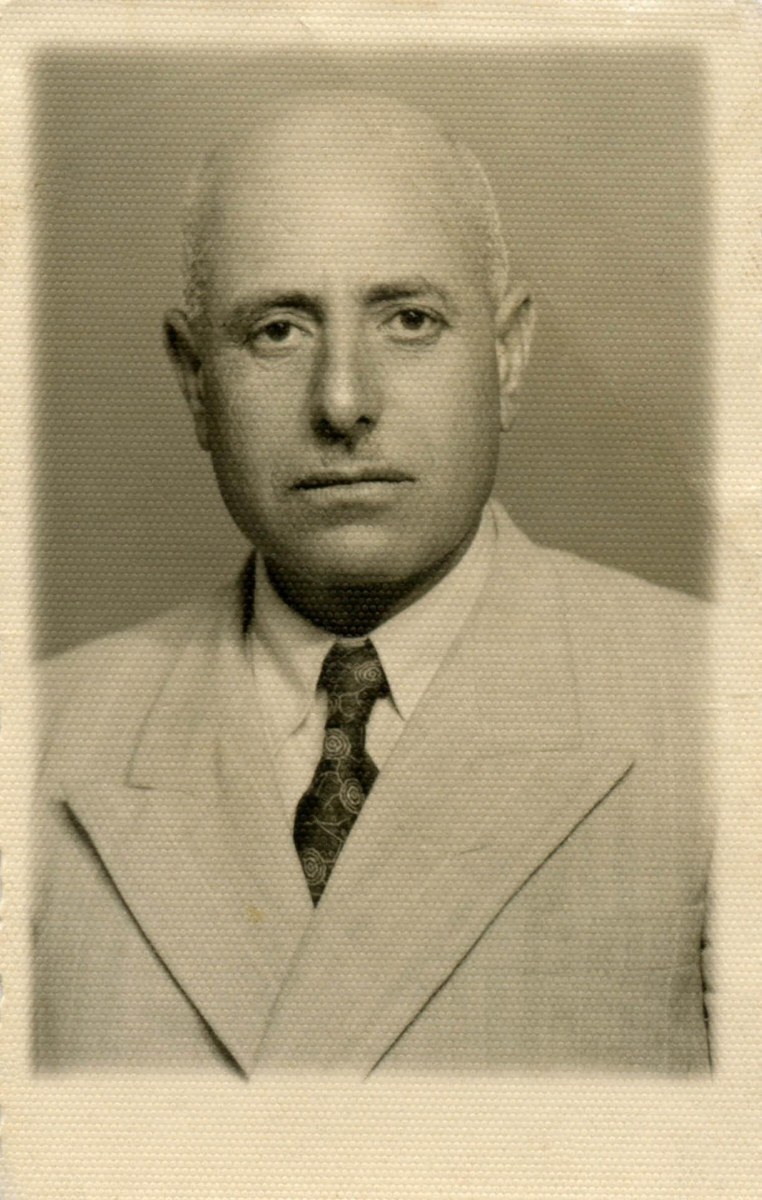
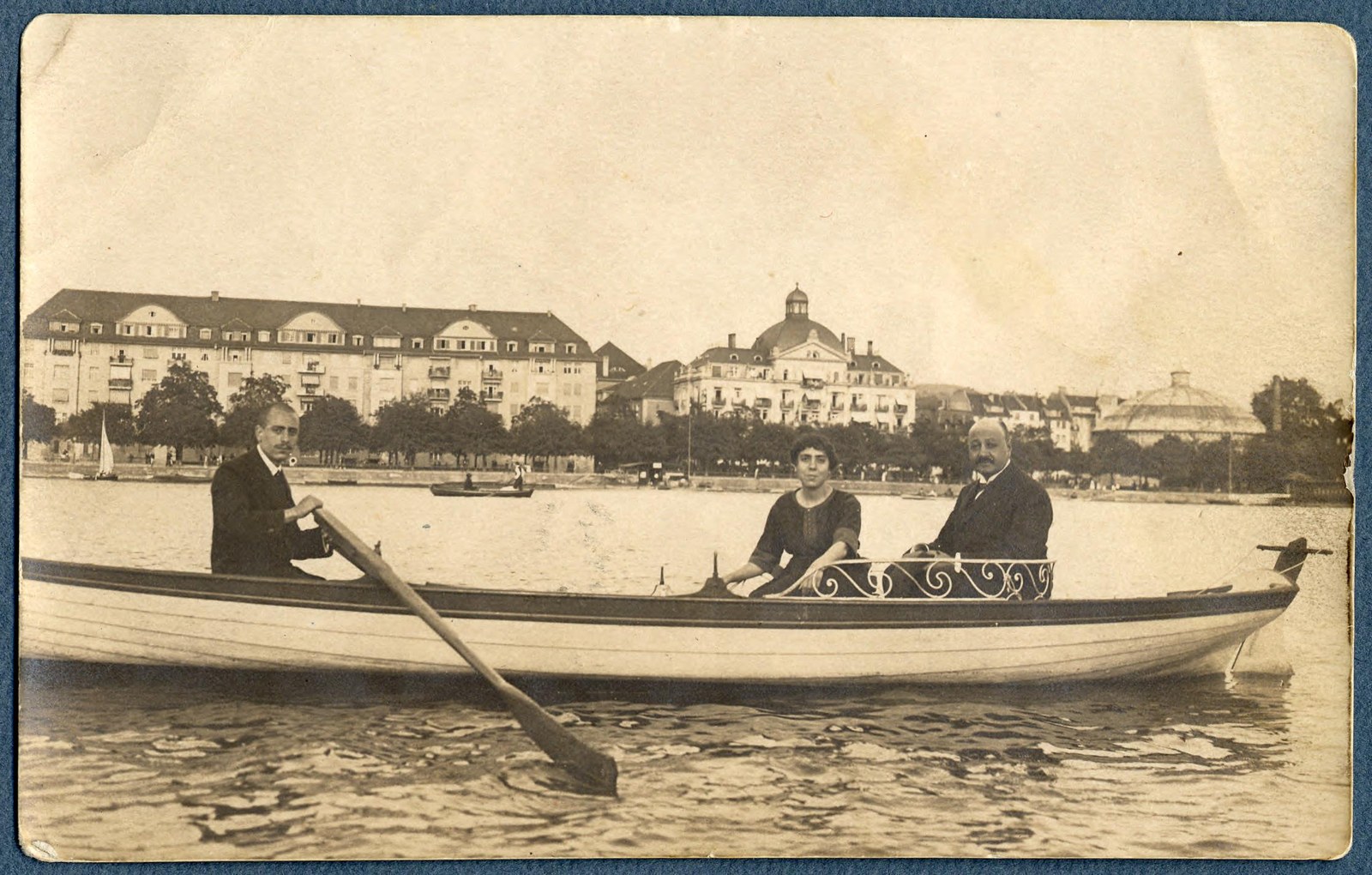
He was born in Cairo in 1898, into a family that had served the Church for generations. Ragheb Habashi Moftah was born in Cairo on 21 December 1898.34 Pope Shenouda III said he had lived in three centuries: a childhood at the end of the nineteenth, the whole of the twentieth, and his repose at the start of the twenty-first. The family, the patriarch said, was known for learning and faith since the days of Peter VII and Cyril IV; among its members were Butrus Moftah and ʿIryan Moftah, and some of them headed the Great School of St. Mark and taught Coptic there.5 ʿIryan Moftah, the teacher of Coptic who helped Abuna Takla, was his great-uncle.6 His father, Habashi Moftah, raised twenty-one orphans in his house besides his own nine children, and his elder sister Farida founded the first Coptic orphanage for girls in 1912.7
He nearly did not live. As a baby he caught typhus in the epidemic that struck Cairo at the end of the 1890s, and his mother, Labiba, stayed at his bedside for six months.8
He was sent to Germany to study agriculture, and came back with the Church’s music. He passed his baccalaureate in 1918 and went to a German university to study agriculture; he had inherited a great deal of farmland from his father, and perhaps meant to manage it. “But God wanted to invest him,” the patriarch said: in Europe he began to study Coptic history, the hymns and their music, and they took up more of his time than farming.9 He told Michel Badie that the family he grew up in drew him to love his Church, its hymns and its rites, and that he came to see their spiritual depth and “ففكرت في ضرورة الإبقاء عليها” (so I thought it necessary to preserve them).10 His niece Laurence Moftah adds that British missionaries in Egypt called the Coptic chant “decadent,” and that he resolved to save it before it went the way of the Coptic language.11
The notation
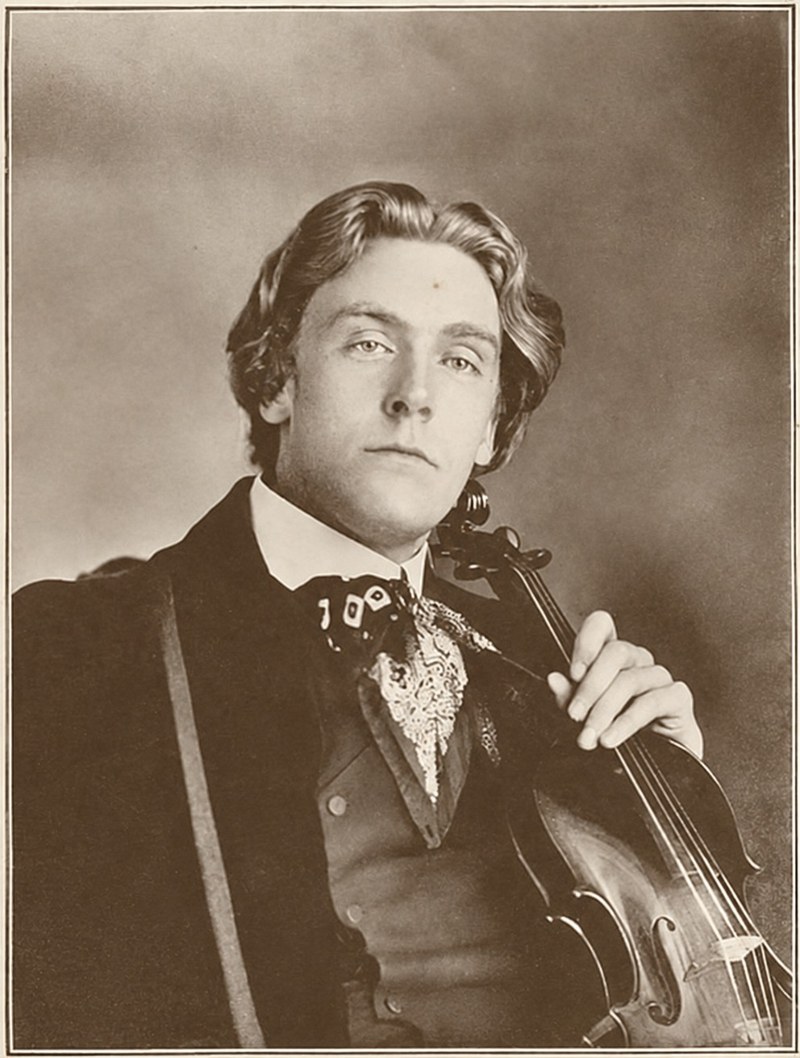
He brought an English musician to Cairo to write the hymns down. In 1927, at twenty-nine, he went to England and met Ernest Newlandsmith, a professor at the Royal Academy of Music in London. By a written contract Newlandsmith was to come to Egypt and live there seven months a year, from October to April, at Moftah’s expense, to write down the Coptic music.12 Moftah paid for everything, Pope Shenouda said, both for Newlandsmith, who lived in his house, and for the cantor who sang to him.13 He bought a grand piano, and the two men worked on Moftah’s houseboat on the Nile.14
First he looked for the right cantor. In his own account, the work began early in the winter of 1928 with a survey of the leading cantors of the whole country, of whom “كان أبرزهم وأقدرهم المرحوم المعلم ميخائيل جرجس البتانوني” (the most outstanding and the ablest was the late Muʿallim Mikhail Girgis al-Batanuni). Newlandsmith began with the Liturgy of St. Basil and wrote it down a second and a third time, until the way of singing and of writing it had settled; each summer he went home to England and made the fair copy. By 1939 all the rites of the Church were written down in sixteen volumes.15 How Muʿallim Mikhail was chosen, and what the sessions on the houseboat were like, is told on his page.
He took Coptic music to the English universities. In 1931 he went to England with Newlandsmith and they gave three lectures, at Oxford, Cambridge and London; the Egyptologist Aylward Blackman and the Coptic scholar W. E. Crum came to hear the one at Oxford.16 In that lecture Newlandsmith called the music “إرجاع لروح داود في العصر الحاضر” (a return of the spirit of David in our own day).17
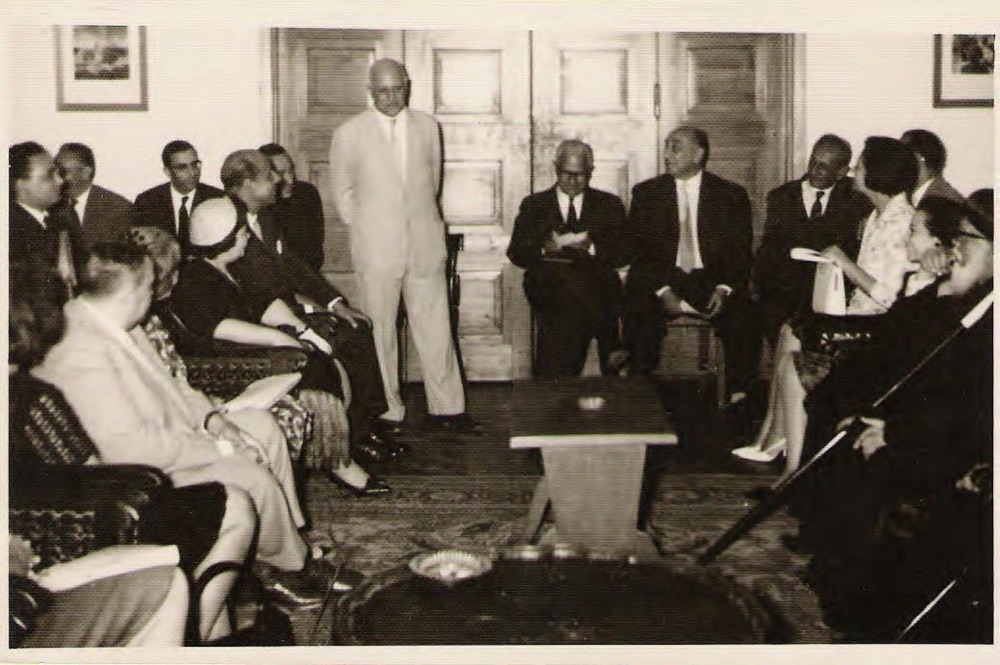
In 1932 he showed the music to Europe’s musicians in Cairo. The Egyptian government invited twenty-nine musicians from Germany, Austria, France, England, Hungary and elsewhere to a congress on Oriental music, and invited Moftah to represent Coptic music. Béla Bartók was among the guests, and so was Egon Wellesz, who had deciphered the old Byzantine notation. At their request Moftah arranged a liturgy at the Hanging Church in Old Cairo, celebrated by Fr. Murqus Shenouda with Muʿallim Mikhail singing the responses and hymns. Wellesz said he had never in his life been so moved by the singing of prayers and hymns.18 The congress also made the first recordings of Coptic chant.19 Bartók and Moftah kept up a correspondence for years afterwards.20
The recordings
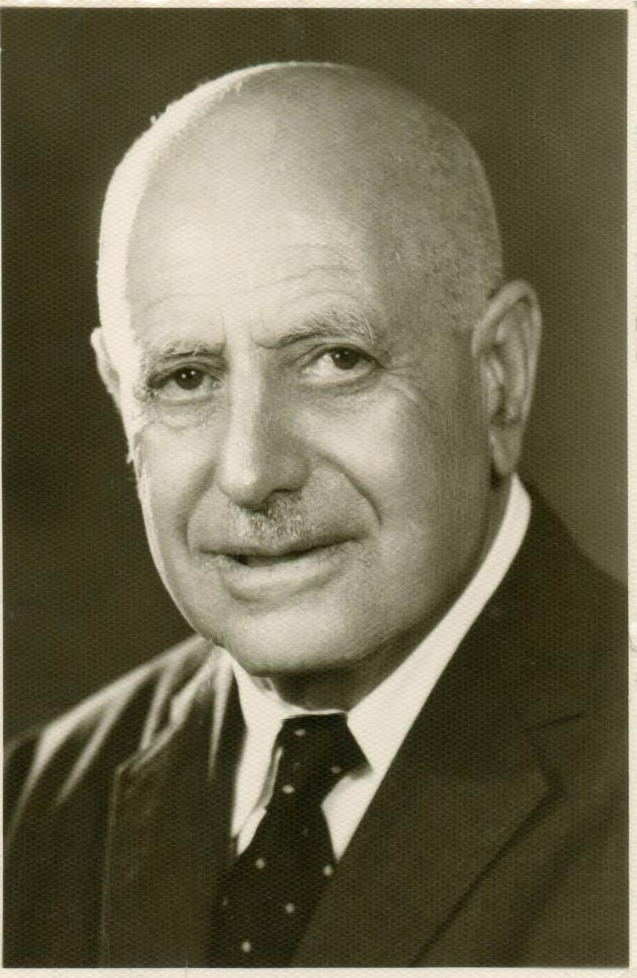
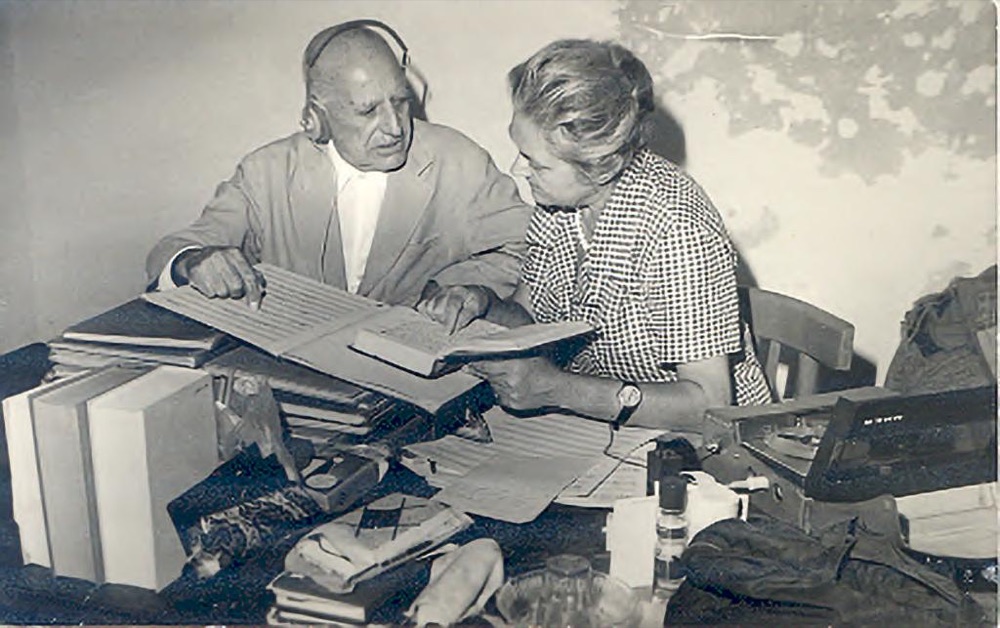
He then set out to record the tradition, and to teach it. In 1940 he formed a choir of students of the Clerical College and of deacons with good voices, with two more choirs of university men and university women. In 1945 he opened two centers, one in Old Cairo to hand on the hymns to cantors and deacons, and one near Bab al-Hadid where senior cantors came to have their hymns confirmed. Mikhail al-Batanuni “gave there the essence of his heart,” and dozens of senior cantors learned from him there, each paid twenty piasters for his fare.21 Moftah bought his recording machines in the late 1930s and recorded in his own studios at Bab al-Hadid and in Old Cairo until 1954.22
When Mikhail’s voice failed, he found younger voices. As the cantor grew old his throat could no longer sing beautifully, though his memory was as exact as ever, and Moftah searched for singers with fine voices who could take the hymns from him and sing them well. He recorded both: Mikhail himself, and those who had learned from him.23 In 1958 he said that the Liturgy of St. Gregory was “going to be lost unless I did record it several times from Mlm. Mikhail who was the only one to have known it complete.”24
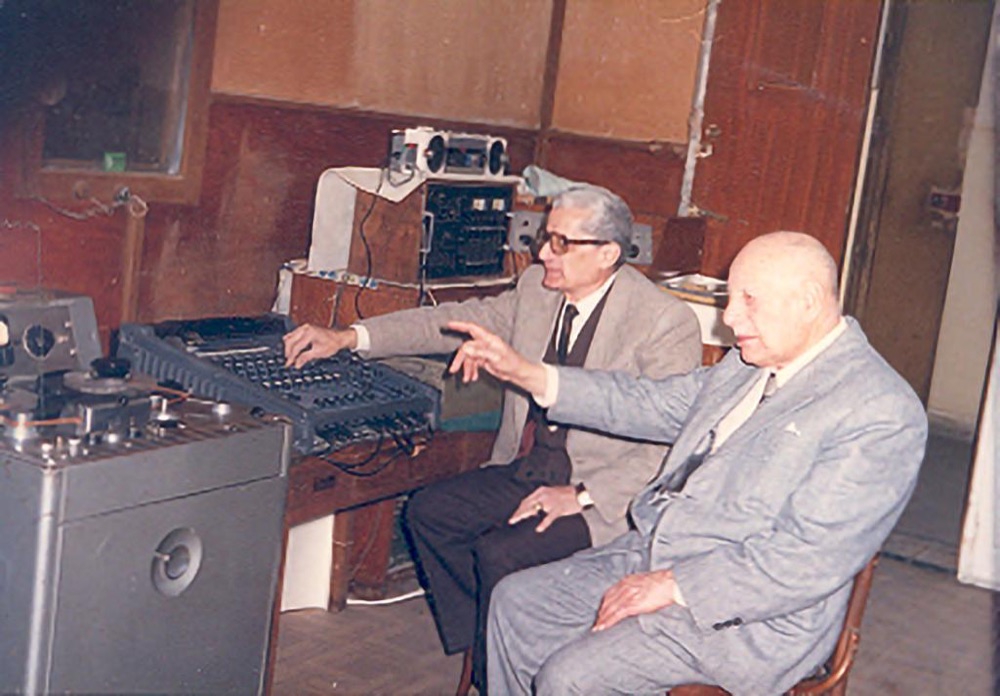
He would not let a single wrong turn stand. If he heard one ornament out of place, Pope Shenouda said, he had the whole hymn recorded again from the beginning, many times if need be, so as to hand it on pure. At the Institute he worked with a music engineer and a sound engineer and supervised every recording himself, and he recorded on discs because they last longer than cassettes.25 He held that the human throat is the best of instruments, so the recordings are of the voice alone; the cymbals (daff) and the triangle are there only to keep the melody in order, and must never cover the voice of the cantor.26 His sound engineer from 1964, Salib Bastawros, remembered that if anyone sang out of tune or a wrong note, Moftah had the chant repeated until it was perfect, and the singers were not allowed above a certain pitch.27
The Institute of Coptic Studies
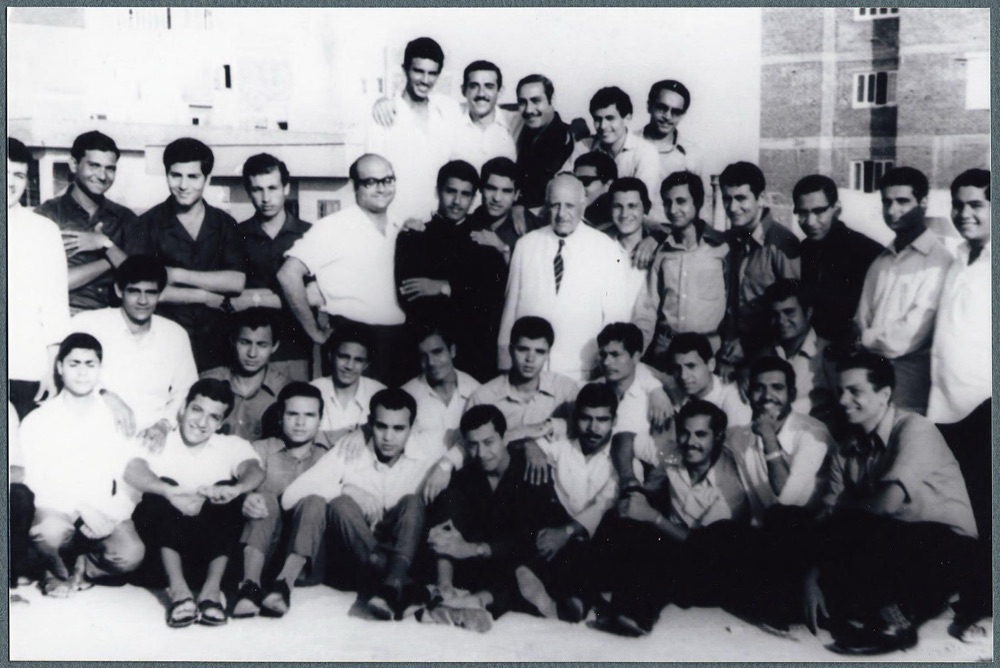
In 1954 his work found a home. He was one of the founders of the Higher Institute of Coptic Studies in Cairo, with Aziz Suryal Atiya, Sami Gabra and Murad Kamil, and when it opened in 1955 he became head of its department of music and hymns, moving to the Institute the beginnings of the studio he had set up at the church of the Virgin, Qasriyyat al-Rihan, in Old Cairo.28 He held the post from 1954 until he reposed, and never asked for a title or a salary for it.29 The students of the Clerical College had their lessons in the hymns every day in his office there, and every summer he took them to a study camp at Abu Qir, near Alexandria. Their teachers included Muʿallim Tawfiq of Dayr al-Muharraq, Muʿallim Ṣadiq ʿAttallah and Muʿallim Farag ʿAbd al-Masih, and later Muʿallim Ibrahim Ayad.30 What the department recorded and how it shaped the singing of the whole Church is told in the Institute of Coptic Studies.
He sat in on the lessons to the end. Michel Badie, who first met him in the summer of 1978, found him at Abu Qir sitting among the students in complete silence, following how the cantors sang and taught; sometimes he objected sharply to the way a hymn was sung and gave his directions, and when the lesson was over he went to the cantor, patted him on the shoulder and talked with him about Muʿallim Mikhail.31
The Liturgy in notation
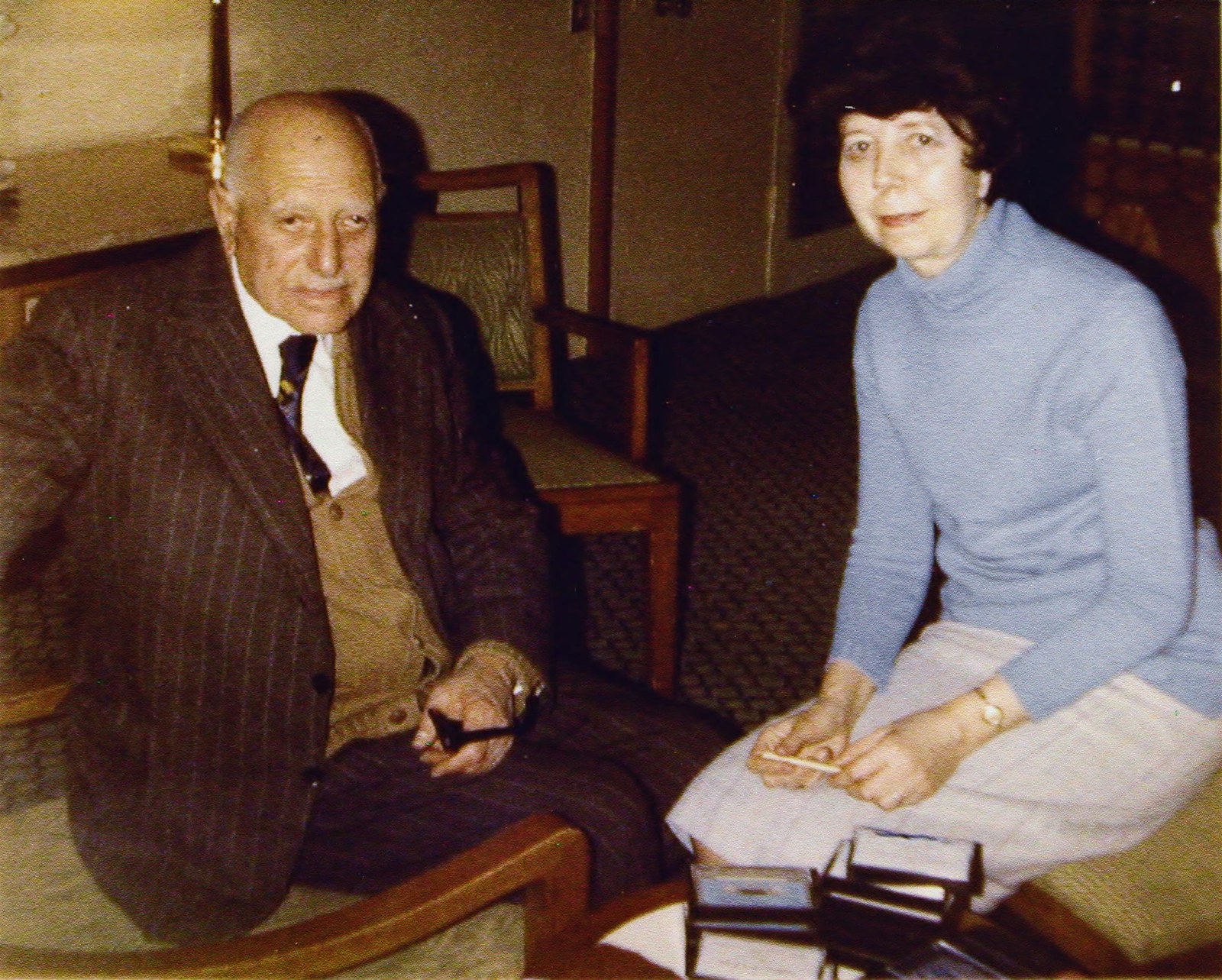
Two women finished the score he had begun with Newlandsmith. Newlandsmith had written down the outline of the melodies but not their ornaments. At the end of 1969 Moftah brought the Hungarian ethnomusicologist Margit Tóth to Cairo to write down the ornaments; the American Martha Roy later joined the work, and together they took down the whole Liturgy of St. Basil.32 Tóth had studied Coptic for a year at the University of Budapest before she came,33 and had first transcribed Coptic melodies from Hungary in the 1960s, by correspondence with Moftah.34 In 1985 al-Kirāza announced that the department was printing the music of the hymns “لأول مرة في تاريخ الكنيسة” (for the first time in the history of the Church).35
He signed the contract for it in a hospital bed. In July 1996 the American University in Cairo Press agreed to publish the score. Pope Shenouda had the contract drawn up before him and guaranteed the whole cost of printing; on Friday 26 July he took the publisher, Tóth, Roy and Laurence Moftah to Victoria Hospital in Alexandria, where Moftah lay ill, and Moftah signed it in his presence.3637 The book came out in 1998: about 700 large pages, more than 550 of them music, with the text in Coptic, English and Arabic. Under the contract the Church keeps the rights.38
The choir abroad
He took the choir to sing in Europe. In the summer of 1989, at the invitation of a music institute in Berlin, he took the students of the Clerical College to Germany;39 they recorded hymns for Berlin radio and television, and he lectured on Coptic music at the Coptic monastery at Kröffelbach.40 It was the first time, Mina Badie wrote, that the German public heard Coptic church music.41 On the long bus journey to Berlin he stopped to buy the students food and drink at his own cost, and would not go to rest until he knew they were all in bed.42 The choir sang in Germany again in November 1995,43 and in the summer of 1998 it went to France and then to Germany under his direction, led by the cantor Ibrahim Ayad.44
The Library of Congress
The Library of Congress saved his oldest tapes. In 1993 he wrote that he had recordings of Muʿallim Mikhail more than seventy years old, made on paper tape that had outlived its life and was no longer made. The Library of Congress, which still had machines that could play it, transferred and restored the tapes at its own cost of ten thousand dollars, and in thanks he gave the Library everything he had produced, on cassette and on reel.45 He gave the collection between 1991 and 2001,46 and under his agreement with the Librarian of Congress, James Billington, it is to be open to every member of the Coptic Church and to scholars everywhere.47
In 1995 the Library honored him. Billington held a celebration for him, “وتكريم الألحان القبطية في شخصه” (and to honor the Coptic hymns in his person), and said that the collection Moftah had given was the most important and the oldest collection of ancient music in the Library.48
Honors
The Church made him a doctor. On 7 January 1984, the eve of Christmas, Pope Shenouda III, as head of the board of the Institute of Coptic Studies, gave him an honorary doctorate “تقديراً لمجهوداته الصادقة في الحفاظ على تراث الموسيقى القبطية” (in recognition of his sincere efforts to preserve the heritage of Coptic music).49
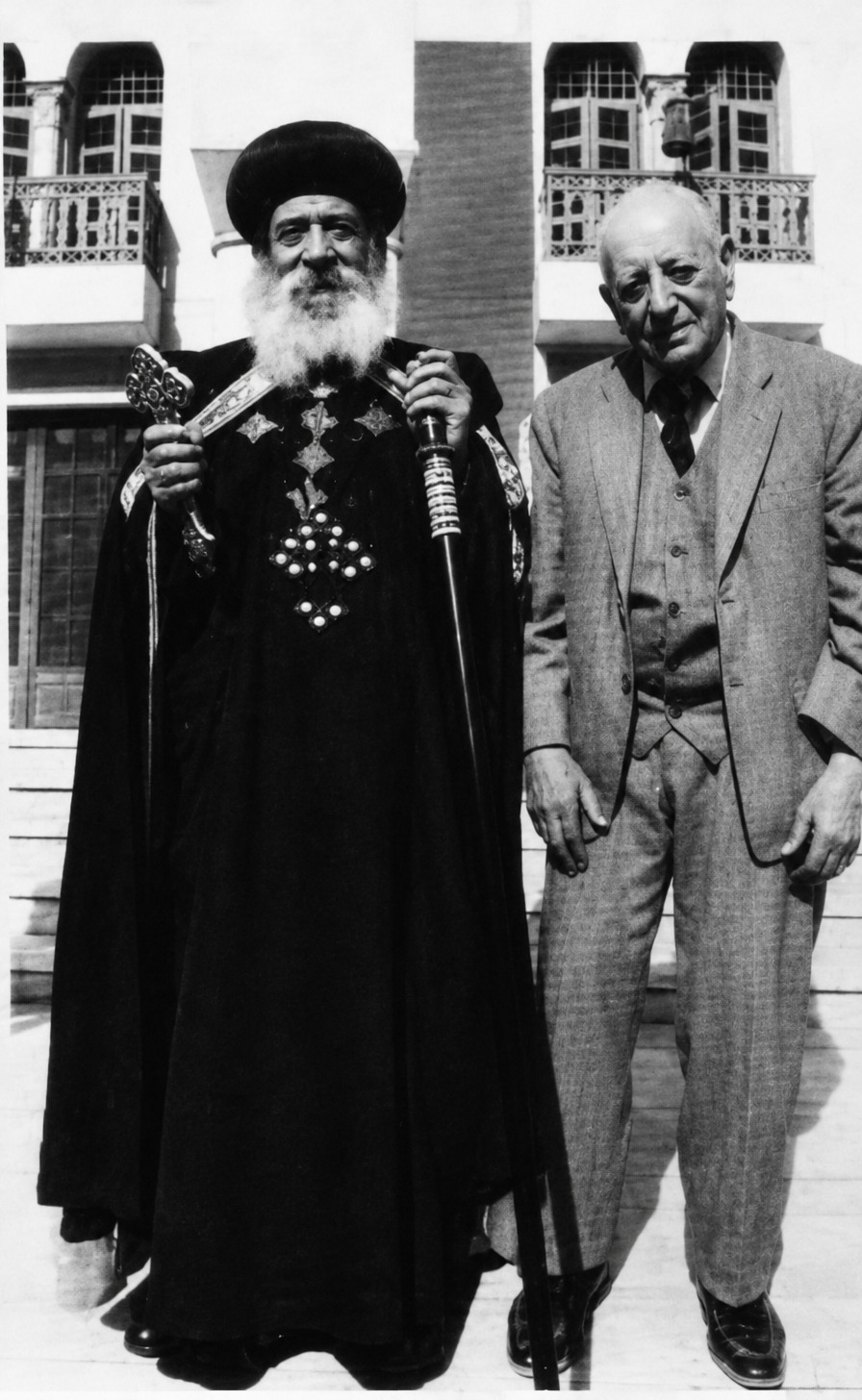
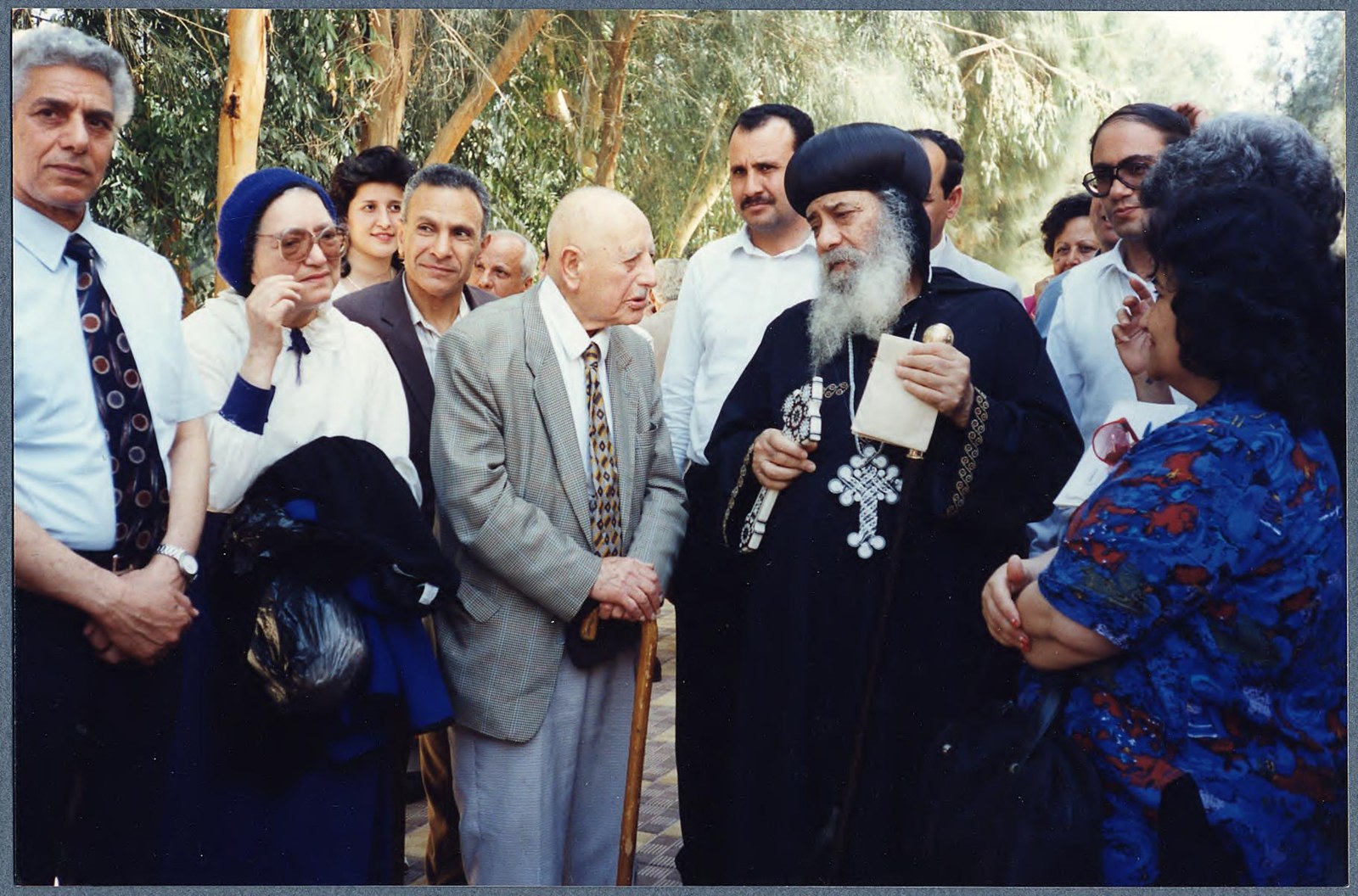
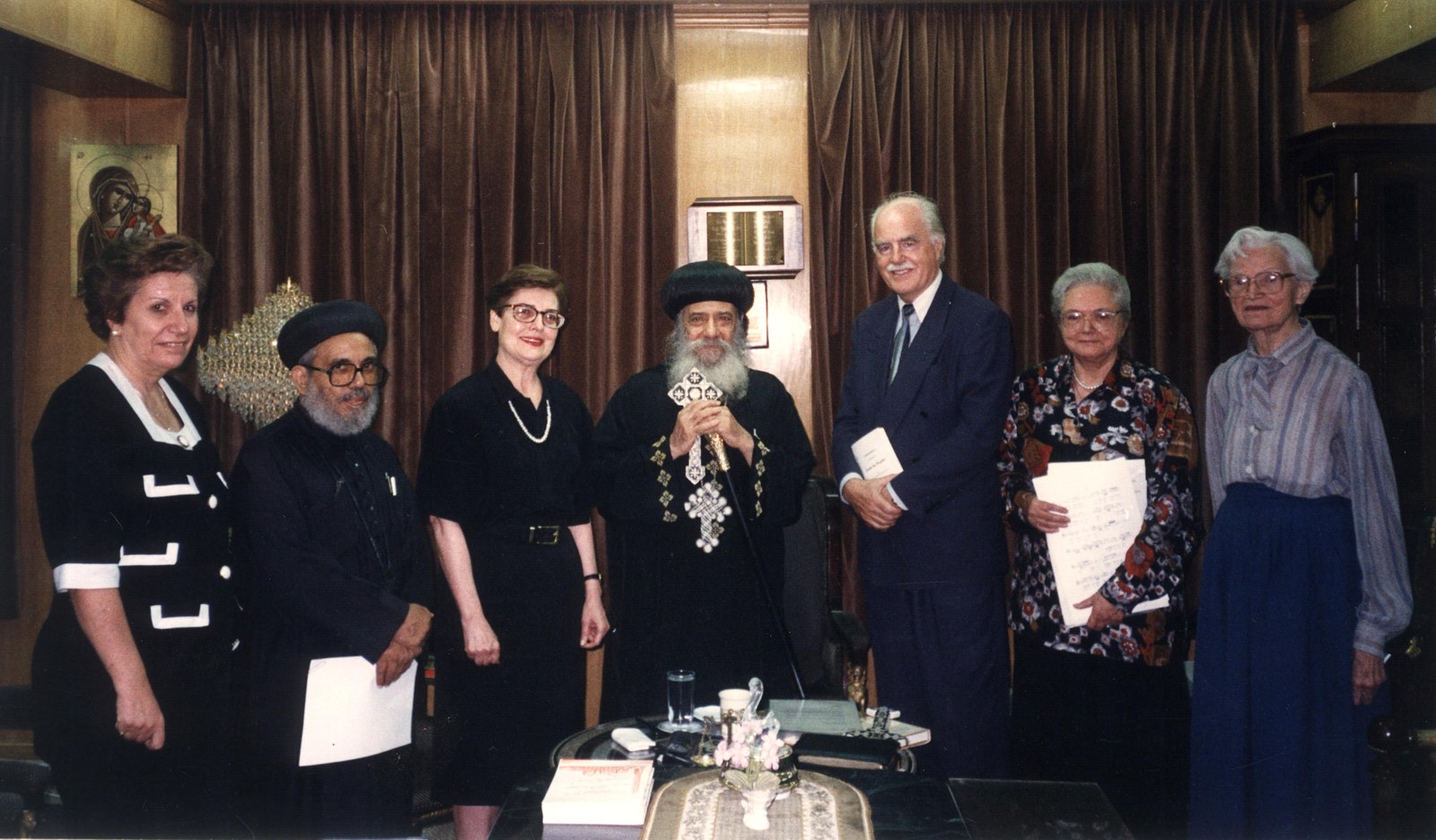
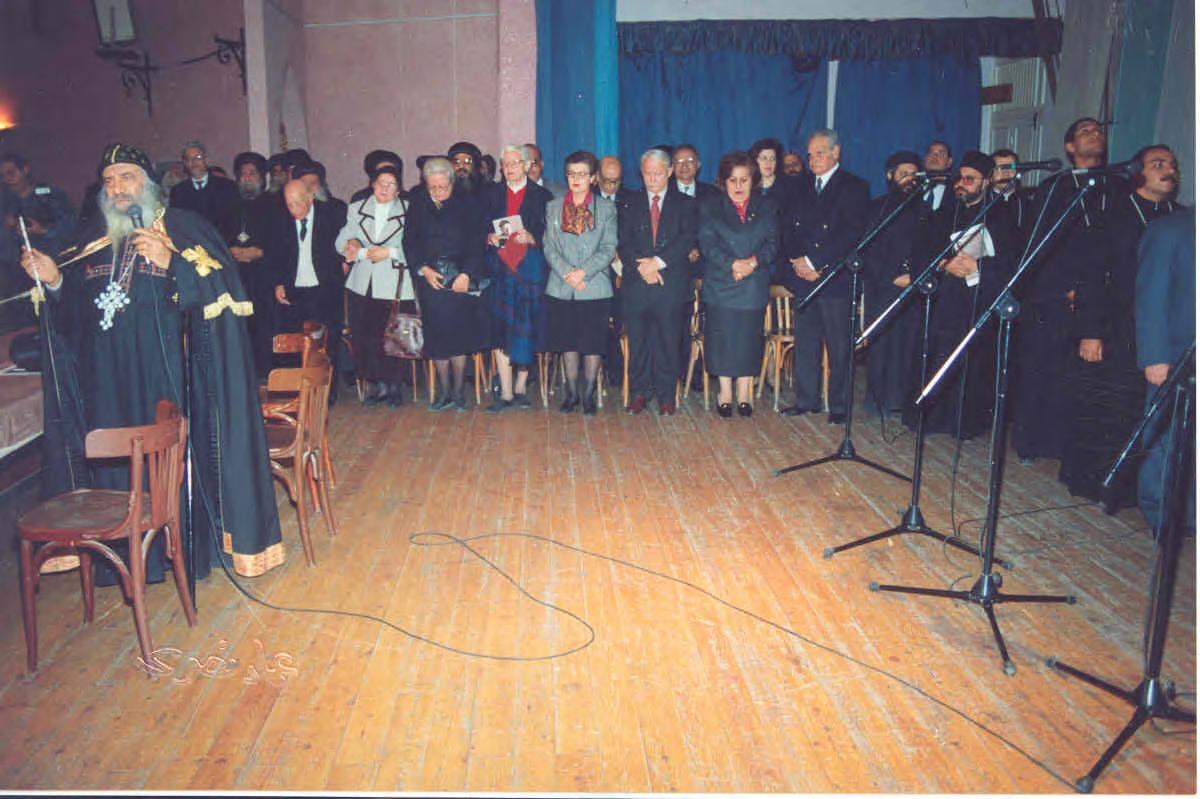
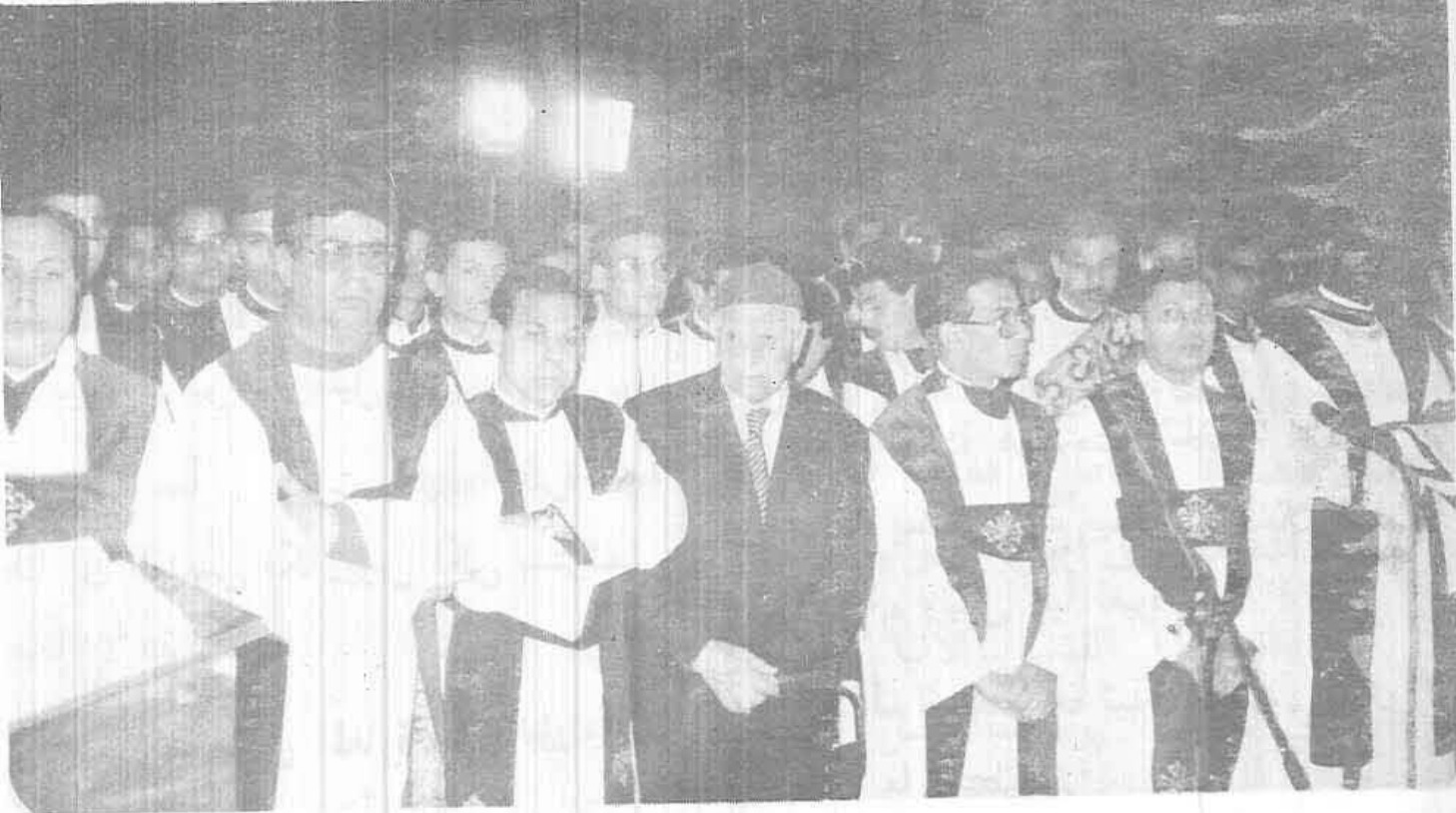
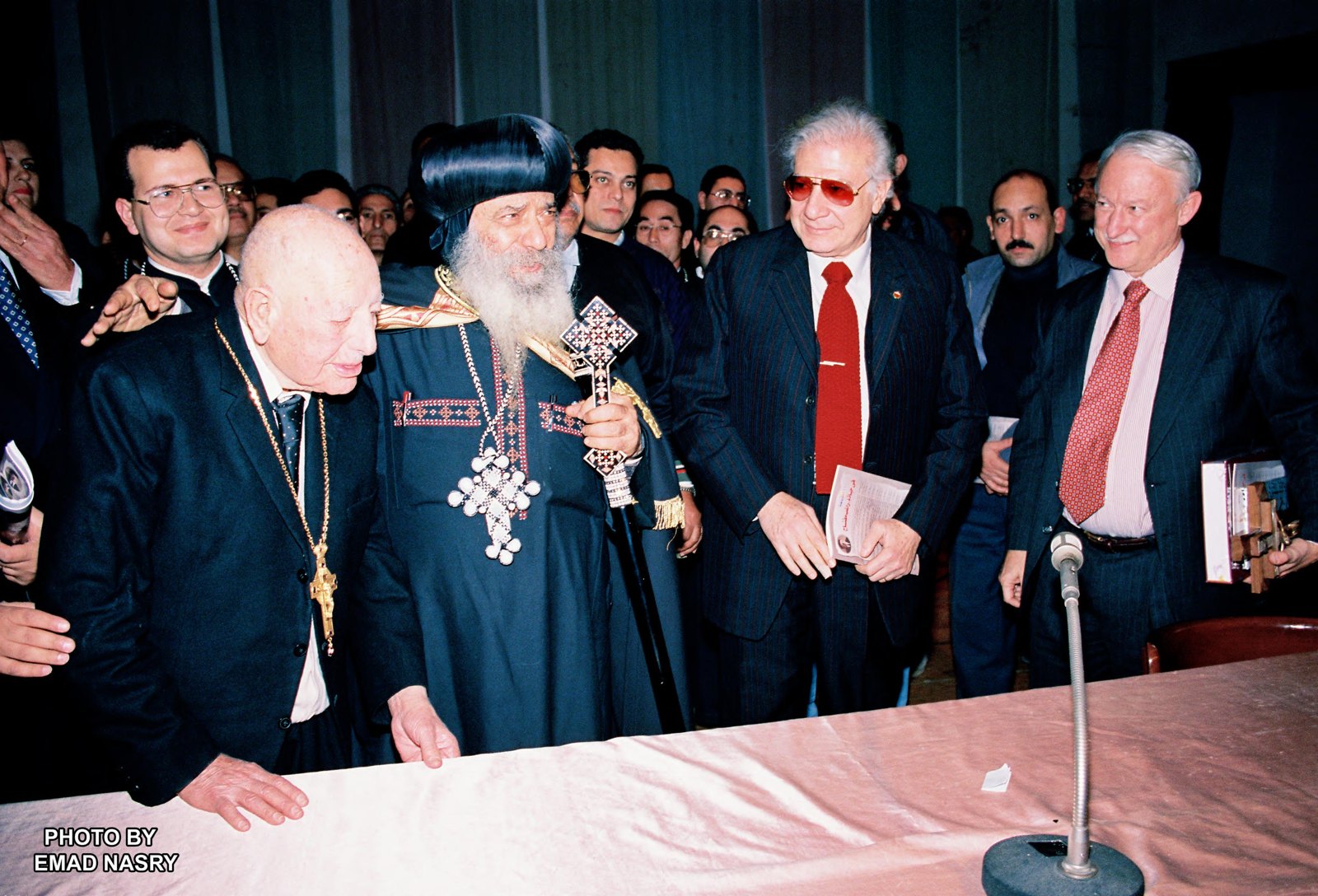
At a hundred the patriarch told him he had outlived them all. On 21 December 1998 his hundredth birthday was kept in the hall of St. Mark at Anba Ruways, with Pope Shenouda, twelve metropolitans and bishops, the professors of the Institute, Margit Tóth, a representative of the American University and hundreds of the faithful; the choir of the Institute and the Clerical College sang under Muʿallim Ibrahim Ayad. The patriarch named Copts who had lived to ninety or a little more, among them Aziz Suryal Atiya, and told him: “ولكنك فقتهم جميعاً” (but you have surpassed them all). He presented the first printed copies of the Liturgy of St. Basil, and a committee printed Moftah’s own memoir, Dhikrayātī maʿa al-alḥān al-qibṭiyya (My memories of the Coptic hymns).50 The patriarch gave him a cross of pure gold.51
His repose
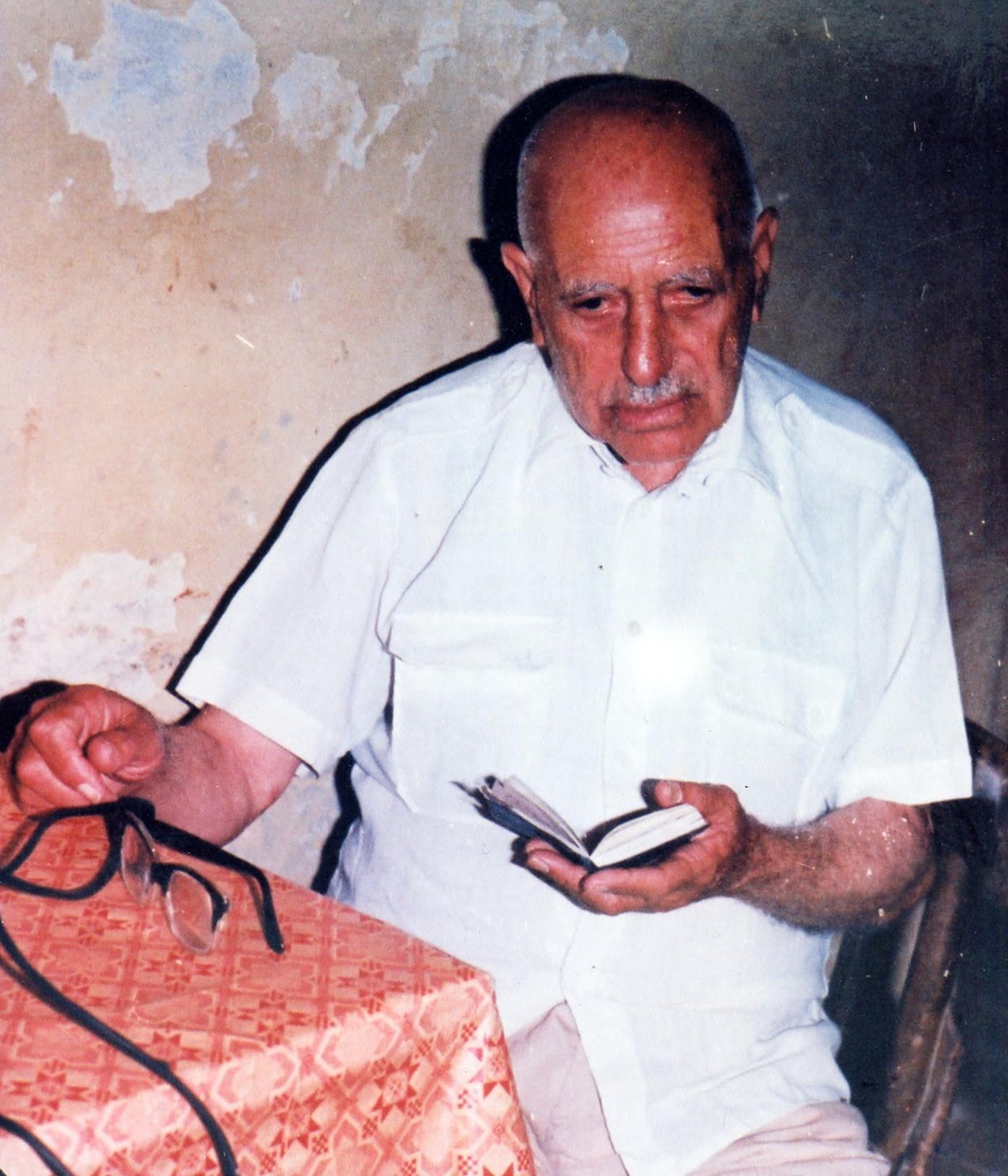
He kept his ear and his memory to the end. In his last years his sight was weak and his back bent, but his ear for music and his memory never aged, and at a hundred and two he was still talking to the patriarch about recording the Liturgies of St. Gregory and St. Cyril in notation.52 About a month before his repose he asked to be moved from al-Hayat Hospital to Victoria Hospital in Alexandria; the patriarch sent him in his own car, visited him and anointed him with the holy oil, and told his wife, Mary, that he would bear all the costs of his treatment.53
He reposed on 18 June 2001, in his 103rd year. He had been ill with hardening of the arteries, among other things, and reposed on Monday 18 June. Pope Shenouda prayed over him at St. Mark’s Cathedral with many metropolitans and bishops and gave the sermon, and the president of the American University in Cairo and some of its professors came to the funeral with many priests and his pupils.54 The prayers began at four in the afternoon of the same day.55 “I do not know how I can enter the department of music and hymns,” the patriarch said, “without Dr. Ragheb in it.”56
After him
His assistants carried the work on. In 2002 Michel Badie ʿAbd al-Malik, one of his assistants and a man he trusted, was made head of the department.57 The department’s courses for lovers of church hymns were given in his name, at the Dr. Ragheb Moftah Center.58 In 2005 Laurence Moftah gave the patriarch twenty-one CDs of Muʿallim Mikhail’s recordings with their notation, and he passed them to the department.59 In October 2008 a team from Hanover and Berlin came to Cairo to agree on copying the department’s reels, which go back to 1954, onto CD, and found the tapes still in good condition.60
He thought of himself as a servant. His niece, who worked with him from 1978 to 2001, writes that he gave away most of his inheritance and lived for decades in poverty for the sake of the music, and described himself as a simple servant of the Coptic Orthodox Church whose duty it was to save it.61 His last instruction to her, on 8 June 2001, was: “Make sure that the Coptic Music heritage will be made available to our Coptic Orthodox Churches worldwide, its people, and scholars.”62
Photographs
Notes
- al-Kirāza 2001, Moftah’s repose, p. 1, tr. ours. ↩
- Shenouda III, al-Kirāza 2001, p. 10, tr. ours. ↩
- Badie, al-Kirāza 1998, p. 17. ↩
- Library of Congress, Moftah finding aid, p. 3. ↩
- Shenouda III, al-Kirāza 2001, p. 9. ↩
- Ramzy, “A Musical Inheritance”, para. 3. ↩
- L. Moftah, “Destined to Live”, paras. 3, 13. ↩
- L. Moftah, “Destined to Live”, paras. 1, 11. ↩
- Shenouda III, al-Kirāza 2001, p. 9, tr. ours. ↩
- Badie, al-Kirāza 2001, p. 11, tr. ours. ↩
- L. Moftah, “Ragheb Moftah and Coptic Music”, sec. I. ↩
- Badie, al-Kirāza 1998, p. 17. ↩
- Shenouda III, al-Kirāza 2001, p. 10. ↩
- L. Moftah, “Scholars of Music”, “Professor Ernest Newlandsmith”. ↩
- Moftah, al-Kirāza 1985, pp. 9-11, tr. ours. ↩
- Badie, al-Kirāza 1998, p. 17. ↩
- Badie, al-Kirāza 2002, pp. 9-11, tr. ours. ↩
- Badie, al-Kirāza 1998, p. 17. ↩
- Roy 1992, pp. 37-39, paras. 4-5. ↩
- L. Moftah, “Ragheb Moftah and Coptic Music”, sec. II. ↩
- Badie, al-Kirāza 1998, p. 17, tr. ours. ↩
- L. Moftah, “Scholars of Music”, “Engineer Saleeb Bastawros”; “Audio Recording Equipment”. ↩
- Shenouda III, al-Kirāza 2001, p. 10. ↩
- Moftah 1958, Part II. ↩
- Shenouda III, al-Kirāza 2001, p. 10. ↩
- al-Kirāza 1999, Moftah’s centenary, p. 6. ↩
- L. Moftah, “Scholars of Music”, “Engineer Saleeb Bastawros”. ↩
- Badie, al-Kirāza 1998, p. 17. ↩
- L. Moftah, “Ragheb Moftah and Coptic Music”, sec. II. ↩
- Shenouda III, al-Kirāza 2001, p. 10. ↩
- Badie, al-Kirāza 2001, p. 11. ↩
- Badie, al-Kirāza 2002, pp. 9-11. ↩
- Badie, al-Kirāza 1998, pp. 17-18. ↩
- L. Moftah, “Scholars of Music”, “Margit Tóth”. ↩
- al-Kirāza 1985, notice, p. 10. ↩
- Badie, al-Kirāza 2002, pp. 9-11. ↩
- al-Kirāza 1996, the contract, p. 2. ↩
- Badie, al-Kirāza 1998, p. 17. ↩
- Badie, al-Kirāza 2001, p. 11. ↩
- al-Kirāza 1989, Berlin, p. 2. ↩
- Badie, al-Kirāza 1998, pp. 17-18. ↩
- Badie, al-Kirāza 2001, p. 11. ↩
- al-Kirāza 1995, Germany, p. 4. ↩
- al-Kirāza 1998, France and Germany, p. 3. ↩
- Moftah, al-Kirāza 1993, p. 18. ↩
- Library of Congress, Moftah finding aid, p. 5. ↩
- L. Moftah, “Scholars of Music”, “Master Cantor Mikhail al-Batanouni’s Project”. ↩
- al-Kirāza 1995, Library of Congress, p. 4, tr. ours. ↩
- Badie, al-Kirāza 1998, pp. 17-18, tr. ours. ↩
- al-Kirāza 1999, Moftah’s centenary, pp. 5-6, tr. ours. ↩
- Badie, al-Kirāza 2001, p. 11. ↩
- Shenouda III, al-Kirāza 2001, p. 10. ↩
- Badie, al-Kirāza 2001, p. 11. ↩
- al-Kirāza 2001, Moftah’s repose, p. 1. ↩
- Badie, al-Kirāza 2001, p. 11. ↩
- Shenouda III, al-Kirāza 2001, pp. 10-11, tr. ours. ↩
- al-Kirāza 2002, the department, p. 4. ↩
- al-Kirāza 2004, notice, p. 8. ↩
- al-Kirāza 2005, Mikhail’s recordings, p. 5. ↩
- al-Kirāza 2008, the digital project, p. 11. ↩
- L. Moftah, “Ragheb Moftah and Coptic Music”, sec. II. ↩
- L. Moftah, “My Memories of My Uncle”, “My Involvement in the Project of the Coptic Music Heritage”. ↩
Sources
- “Niyāḥat al-ustādh al-duktūr Rāghib Miftāḥ rāʾid al-mūsīqā wa-l-alḥān al-qibṭiyya,” al-Kirāza 29, nos. 21-22, Cairo, 29 June 2001, p. 1.
«نياحة الأستاذ الدكتور راغب مفتاح رائد الموسيقى والألحان القبطية»، الكرازة، السنة ٢٩، العددان ٢١-٢٢، ٢٩ يونيو ٢٠٠١ - Pope Shenouda III, address at the funeral of Ragheb Moftah, al-Kirāza 29, nos. 21-22, Cairo, 29 June 2001, pp. 9-10.
البابا شنوده الثالث، «كلمة قداسة البابا في جناز الأستاذ راغب مفتاح»، الكرازة، السنة ٢٩، العددان ٢١-٢٢، ٢٩ يونيو ٢٠٠١ - Mina Badie ʿAbd al-Malik, “Duktūr Rāghib Miftāḥ .. wa-simfūniyyat al-ʿaṭāʾ al-kanasī,” al-Kirāza 26, nos. 47-48, Cairo, 11 December 1998, pp. 17-18.
مينا بديع عبد الملك، «دكتور راغب مفتاح .. وسيمفونية العطاء الكنسي»، الكرازة، السنة ٢٦، العددان ٤٧-٤٨، ١١ ديسمبر ١٩٩٨ - Library of Congress, Music Division, Ragheb Moftah Collection of Coptic Orthodox Liturgical Chants and Hymns, finding aid, biographical note by Laurence Moftah, pp. 3-5.
- Carolyn M. Ramzy, “A Musical Inheritance: Coptic Cantors and an Orally Transmitted Tradition,” Library of Congress, cited by paragraph.
- Laurence Moftah, “Destined to Live: The Typhus Epidemic and Ragheb Moftah,” Library of Congress, 2008, cited by paragraph.
- Michel Badie ʿAbd al-Malik, “al-Ustādh al-duktūr Rāghib Miftāḥ ʿamīd al-laḥn wa-l-mūsīqā fī al-qarn al-ʿishrīn” and “al-Bābā Shinūda al-thālith wa-l-duktūr Rāghib Miftāḥ,” al-Kirāza 29, nos. 21-22, Cairo, 29 June 2001, p. 11.
ميشيل بديع عبد الملك، «الأستاذ الدكتور راغب مفتاح عميد اللحن والموسيقى في القرن العشرين» و«البابا شنوده الثالث والدكتور راغب مفتاح»، الكرازة، السنة ٢٩، العددان ٢١-٢٢، ٢٩ يونيو ٢٠٠١ - Laurence Moftah, “Ragheb Moftah and Coptic Music,” Library of Congress, 2007, cited by section.
- Laurence Moftah, “Ragheb Moftah, Scholars of Music, Sound Engineer, Audio Recording Collection, and the Recording Equipment,” Library of Congress, 2006, cited by paragraph.
- Ragheb Moftah, “Ṭuqūs al-kanīsa al-qibṭiyya wa-mūsīqāhā al-ṣawtiyya (2),” al-Kirāza, no. 2, Cairo, 2 July 1985, pp. 9-11.
راغب مفتاح، «طقوس الكنيسة القبطية وموسيقاها الصوتية (٢)»، الكرازة، العدد ٢، ٢ يوليو ١٩٨٥ - Michel Badie ʿAbd al-Malik, “al-Mutanayyiḥ al-ustādh al-duktūr Rāghib Miftāḥ fī al-dhikrā al-ūlā li-niyāḥat rāʾid al-mūsīqā wa-l-alḥān al-qibṭiyya,” al-Kirāza 30, nos. 25-26, Cairo, 21 June 2002, pp. 9-11.
ميشيل بديع عبد الملك، «المتنيح الأستاذ الدكتور راغب مفتاح في الذكرى الأولى لنياحة رائد الموسيقى والألحان القبطية»، الكرازة، السنة ٣٠، العددان ٢٥-٢٦، ٢١ يونيو ٢٠٠٢ - Martha Roy, “Liturgie copte et enregistrements du Congrès du Caire,” in Philippe Vigreux, ed., Musique arabe : le Congrès du Caire de 1932, Cairo, CEDEJ, 1992, pp. 37-39, cited by the online edition’s paragraphs.
- Ragheb Moftah, “Coptic Music: Value and Origins,” 1958, in an anonymous English translation from the Arabic posted on Copt-Net.
- “Ḥafl al-ʿĪd al-miʾawī lil-duktūr Rāghib Miftāḥ” and “Kalimat qadāsat al-Bābā,” al-Kirāza 27, nos. 1-2, Cairo, 8 January 1999, pp. 5-6.
«حفل العيد المئوي للدكتور راغب مفتاح» و«كلمة قداسة البابا»، الكرازة، السنة ٢٧، العددان ١-٢، ٨ يناير ١٩٩٩ - “al-Nūta al-mūsīqiyya lil-alḥān al-qibṭiyya,” al-Kirāza, no. 7, Cairo, 9 August 1985, p. 10.
«النوتة الموسيقية للألحان القبطية»، الكرازة، العدد ٧، ٩ أغسطس ١٩٨٥ - “al-Bābā yazūr D. Rāghib Miftāḥ” and “Tasjīl nūtat al-alḥān al-qibṭiyya,” al-Kirāza 24, nos. 31-32, Cairo, 16 August 1996, p. 2.
«البابا يزور د. راغب مفتاح» و«تسجيل نوتة الألحان القبطية»، الكرازة، السنة ٢٤، العددان ٣١-٣٢، ١٦ أغسطس ١٩٩٦ - “Khūrus al-Kulliyya al-Iklīrīkiyya yusajjil li-tilifizyūn wa-idhāʿat Barlīn,” al-Kirāza 17, no. 28, Cairo, 14 July 1989, p. 2.
«خورس الكلية الإكليريكية يسجل لتلفزيون وإذاعة برلين»، الكرازة، السنة ١٧، العدد ٢٨، ١٤ يوليو ١٩٨٩ - “Khūrus al-Kulliyya al-Iklīrīkiyya yuqaddim alḥānahu fī Almāniyā,” al-Kirāza 23, nos. 43-44, Cairo, 24 November 1995, p. 4.
«خورس الكلية الإكليريكية يقدم ألحانه في ألمانيا»، الكرازة، السنة ٢٣، العددان ٤٣-٤٤، ٢٤ نوفمبر ١٩٩٥ - “Riḥlat khūrus al-Iklīrīkiyya ilā Faransā wa-Almāniyā,” al-Kirāza 26, nos. 25-26, Cairo, 26 June 1998, p. 3.
«رحلة خورس الإكليريكية إلى فرنسا وألمانيا»، الكرازة، السنة ٢٦، العددان ٢٥-٢٦، ٢٦ يونيو ١٩٩٨ - Ragheb Moftah, “Iʿādat tasjīl sharāʾiṭ al-muʿallim Mīkhāʾīl,” al-Kirāza 21, nos. 3-4, Cairo, 15 January 1993, p. 18.
راغب مفتاح، «إعادة تسجيل شرائط المعلم ميخائيل»، الكرازة، السنة ٢١، العددان ٣-٤، ١٥ يناير ١٩٩٣ - “Ḥafl takrīm lil-duktūr Rāghib Miftāḥ yuqīmuhu mudīr Maktabat al-Kunghris,” al-Kirāza 23, nos. 17-18, Cairo, 5 May 1995, p. 4.
«حفل تكريم للدكتور راغب مفتاح يقيمه مدير مكتبة الكونجرس»، الكرازة، السنة ٢٣، العددان ١٧-١٨، ٥ مايو ١٩٩٥ - “Qism al-alḥān bi-Maʿhad al-Dirāsāt,” al-Kirāza 30, nos. 37-38, Cairo, 11 October 2002, p. 4.
«قسم الألحان بمعهد الدراسات»، الكرازة، السنة ٣٠، العددان ٣٧-٣٨، ١١ أكتوبر ٢٠٠٢ - Notice of the fourth course of the Dr. Ragheb Moftah Center, Institute of Coptic Studies, al-Kirāza 32, nos. 5-6, Cairo, 20 February 2004, p. 8.
إعلان الدورة الرابعة لمركز الدكتور راغب مفتاح لمحبي الألحان الكنسية، الكرازة، السنة ٣٢، العددان ٥-٦، ٢٠ فبراير ٢٠٠٤ - “Alḥān musajjala lil-muʿallim Mīkhāʾīl al-Batanūnī,” al-Kirāza 33, nos. 37-38, Cairo, 9 December 2005, p. 5.
«ألحان مسجلة للمعلم ميخائيل البتانوني»، الكرازة، السنة ٣٣، العددان ٣٧-٣٨، ٩ ديسمبر ٢٠٠٥ - “Li-ajl tasjīlāt qism al-mūsīqā wa-l-alḥān,” al-Kirāza 36, nos. 27-28, Cairo, 26 December 2008, p. 11.
«لأجل تسجيلات قسم الموسيقى والألحان»، الكرازة، السنة ٣٦، العددان ٢٧-٢٨، ٢٦ ديسمبر ٢٠٠٨ - Laurence Moftah, “My Memories of My Uncle Ragheb Moftah: The Mission that I Had to Accomplish,” Library of Congress, 2008, cited by section.
A history of Coptic music · The cantors and the oral tradition.